

How to Prep Your Home Before the Renovation Crew Arrives
DECEMBER 01, 2025
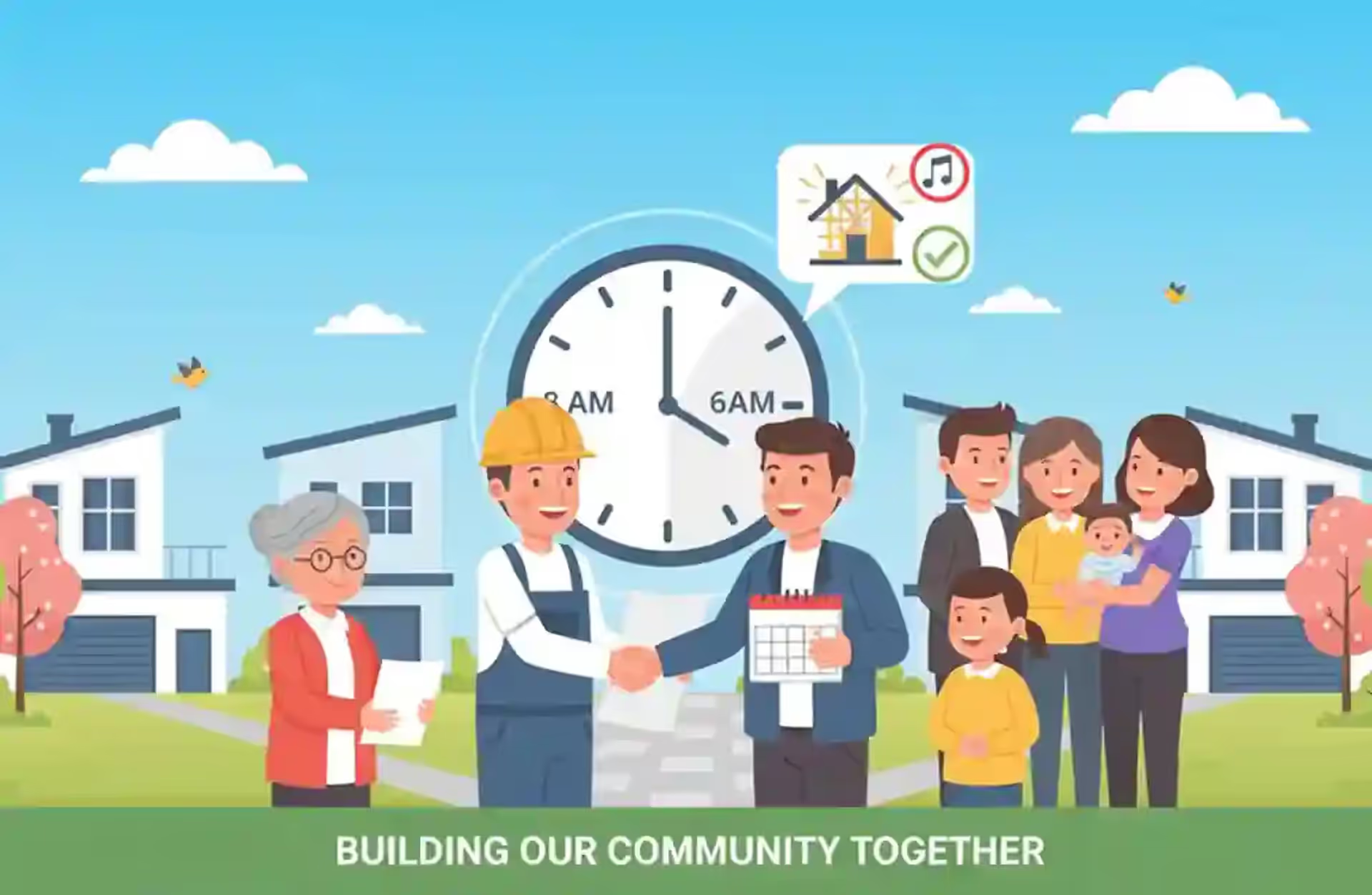
The rhythmic pulse of a jackhammer at 7 AM. The high-pitched whine of a circular saw stretching past dinner time. These sounds ignite neighborhood tensions faster than almost any other homeowner decision. While you are envisioning your dream kitchen, your neighbors are losing sleep, working from home, or soothing startled infants. A thoughtful noise schedule transforms potential conflict into community cooperation, protecting your project timeline while preserving the relationships that make your neighborhood home. Construction noise ranks among the top three sources of neighbor disputes, with contractor surveys showing that 67% of remodeling projects face at least one formal noise complaint. These conflicts do not just create awkward mailroom encounters—they can trigger stop-work orders, municipal fines, and project delays costing thousands of dollars. The psychological toll of renovation extends beyond the homeowner undertaking the project; neighbors experience elevated stress levels, sleep disruption, and decreased productivity when subjected to unexpected or prolonged construction noise, making thoughtful communication and scheduling essential components of any successful renovation strategy.
Smart homeowners recognize that neighbor relations are as critical as any building material. Establishing clear, reasonable construction hours before the first hammer swings prevents the misunderstandings that escalate into hostile confrontations. This comprehensive guide provides practical frameworks for creating noise schedules that respect both your project's needs and your community's peace, complete with legal insights, communication strategies, contractor selection guidance, and real-world solutions from successful renovations. The investment you make in neighbor communication during the planning phase pays dividends throughout the project, reducing the likelihood of formal complaints, stop-work orders, and the relationship damage that can persist long after your renovation is complete. Understanding the regulatory landscape, developing proactive communication strategies, and building systems for ongoing feedback ensures that your dream renovation does not become your neighbors' nightmare.
Before proposing any schedule to neighbors, research your municipality's noise ordinances with thorough attention to detail. These regulations vary dramatically between cities and even between residential zones within the same city. Most jurisdictions distinguish between routine maintenance and major construction, with different rules for homeowners versus commercial contractors. According to the New York City Department of Environmental Protection, construction in residential areas is permitted Monday through Friday from 7 AM to 6 PM, with weekend work requiring special authorization and adherence to strict noise mitigation plans. Similar regulations exist across the country, though specific hours and decibel limits vary considerably based on local community standards, population density, and the character of individual neighborhoods.
Federal guidelines provide a baseline, but local rules take precedence in virtually every jurisdiction. The Environmental Protection Agency's noise guidelines suggest 55 decibels as a maximum for residential areas during daytime hours, but cities adopt their own standards based on density, housing stock age, and community character. Never assume your contractor's standard operating hours comply automatically with local ordinances. The Municipal Research and Services Center provides extensive resources on how different jurisdictions approach noise control, noting that many cities pair Environmental Designation for Noise Abatement zones with zoning codes to establish maximum permissible environmental noise levels for specifically designated areas. Understanding these nuances before your project begins prevents costly violations and demonstrates respect for your community's established standards.
Common patterns emerge across most municipalities regarding acceptable construction hours and noise levels. Weekday construction typically starts between 7:00-8:00 AM and ends between 6:00-7:00 PM, reflecting the assumption that most residents will be at work during these hours. Weekend hours are more restricted, often beginning at 9:00 AM and ending by 6:00 PM, and many cities prohibit construction entirely on Sundays and federal holidays to preserve at least one day of complete neighborhood quiet. Impact work involving jackhammers, pile drivers, or concrete saws frequently faces stricter limits than general carpentry, with some jurisdictions limiting such high-decibel activities to specific midday windows even during otherwise permissible construction hours. The District of Columbia Department of Buildings specifies that legal construction hours run Monday through Saturday from 7 AM to 7 PM, with after-hours permits required for any work outside these windows, demonstrating how jurisdictions balance economic activity with residential quality of life.
Zoning matters significantly when determining permissible construction hours and noise levels. Multifamily residential zones often have tighter restrictions than single-family neighborhoods because the proximity of units means noise travels more readily between living spaces. Seattle, for example, allows construction until 10:00 PM in some commercial zones but limits multifamily residential work to 7:00 PM to protect residents living in close quarters. Similarly, the City of Menlo Park maintains noise ordinances that aim to protect the peace, health, and safety of residents from unreasonable noises from all sources, including permitted construction. These regulations often specify different decibel limits for different times of day and different zones, requiring homeowners to understand not just the hours of permissible work but also the intensity of noise their project may generate relative to local thresholds.
Emergency work necessary for safety or utility restoration is typically exempt from standard hours in most jurisdictions, recognizing that certain repairs cannot wait for convenient timing. However, non-emergency after-hours work requires a variance from your city, and obtaining such permits demands advance neighbor notification and valid justification. Legitimate reasons for variance requests include concrete curing requirements that demand continuous work, equipment availability constraints when specialized machinery is only available during certain windows, weather-dependent work that must be completed before anticipated storms, or coordination with utility companies that operate on fixed schedules. Cities evaluate variance requests based on the legitimacy of the need, the adequacy of proposed noise mitigation measures, and evidence that the applicant has made good-faith efforts to minimize community impact.
Apply for variances two to three weeks before needed dates to allow adequate processing time and build in buffer for potential delays or required modifications to your application. Your variance request should include a detailed explanation of why after-hours work is necessary, proposed alternative hours with specific start and end times, evidence of neighbor consent or at minimum notification, a description of noise mitigation measures you will implement, and contact information for a responsible party who can address concerns during the work. Cities grant variances more readily when applicants demonstrate good-faith efforts to accommodate community concerns, such as limiting the duration of after-hours work, committing to specific noise reduction strategies, or offering compensatory quiet periods. Documentation of your variance approval should be kept prominently on-site during any after-hours work, as code enforcement officers may visit in response to complaints and will want to verify that proper authorization has been obtained.
The single most effective strategy for avoiding neighbor conflicts is advance notification delivered personally. According to Houzz renovation experts, reaching out in advance and being prepared for a range of reactions is essential for maintaining positive relationships throughout the renovation process. A formal letter or door-hanger delivered two to three weeks before demolition day demonstrates respect and provides time for neighbors to adjust their own schedules. This simple act prevents the shock of sudden noise and positions you as a considerate community member rather than a disruptive force. Personal delivery creates an opportunity for face-to-face conversation, allowing you to answer questions, address concerns, and establish a rapport that will serve you well throughout the project.
What to include in your notification requires careful consideration of your neighbors' perspective. Your communication should contain specific start and end dates with buffer time built in to account for potential delays, daily work hours you and your contractor will observe, primary contact information for both you and your contractor, a brief description of work scope distinguishing between additions and interior remodels, acknowledgment that noise will occur along with your commitment to minimizing disruption, and an invitation to contact you with concerns. The Sweeten renovation platform emphasizes that advance notice is particularly helpful for neighbors who work from home or have small children, as they can plan around your construction schedule, especially when noisy work is anticipated. Including this level of detail in your initial communication demonstrates organization and consideration, setting a positive tone for the months ahead.
Delivery method matters significantly in how your notification is received. Hand-delivering letters to immediate neighbors—those within two to three houses on either side and across the street—creates personal connection that email or posted notices cannot match. For larger projects affecting more households, consider hosting a neighborhood meeting where you present plans and answer questions. Provide refreshments and make the gathering social; people who know you personally complain less frequently because they have a relationship to preserve. The Jennifer Gardner Design team recommends introducing neighbors to your project lead and providing their phone number in case issues arise that need to be addressed, creating clear lines of communication from the project's outset.
Follow up with a mid-project check-in after two to three weeks of active construction. Send a brief email or text asking if the noise has been manageable and whether there are specific concerns you can address. This demonstrates ongoing concern and catches minor issues before they become major grievances. Small gestures like gift cards to local coffee shops for immediately adjacent neighbors can build enormous goodwill, acknowledging the inconvenience they are experiencing and showing appreciation for their patience. Some renovation experts recommend providing noise-canceling headphones or earplugs as part of a care package, along with a handwritten note expressing gratitude for their understanding. These investments in neighbor relationships cost relatively little compared to the expense of project delays, code enforcement issues, or lasting neighborhood tension.
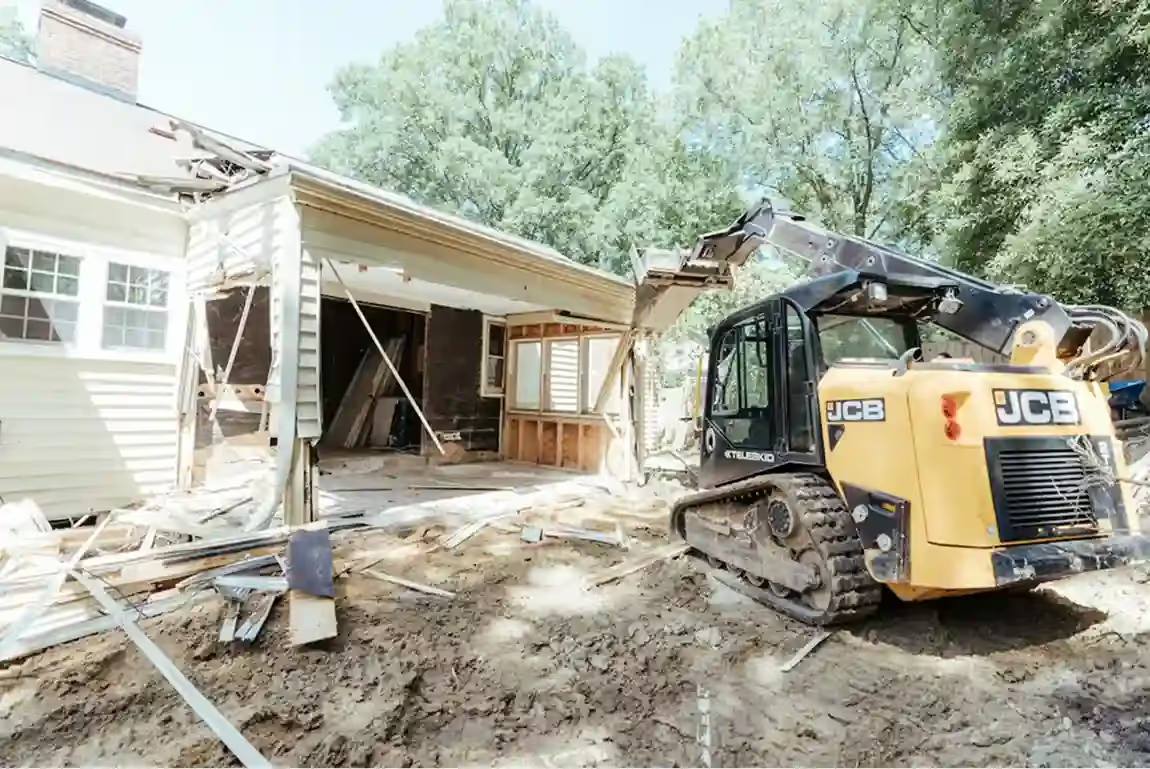
Your contractor selection directly impacts neighbor relations throughout your project. According to HouseLogic renovation experts, finding a good contractor is often the hardest part of any renovation, and the choice you make affects far more than the quality of the finished work. A contractor who arrives early, works late, plays loud music, or leaves debris scattered through the neighborhood will generate complaints regardless of how proactive your own communication has been. During the interview process, specifically ask potential contractors about their approach to neighbor relations, noise management, site cleanliness, and communication with community members. Contractors who demonstrate awareness of these issues and have established protocols for managing them are more likely to complete your project without generating significant community friction.
Verification of credentials protects both you and your neighbors throughout the renovation process. The GreatBuildz contractor vetting guide emphasizes that working with licensed, bonded, and insured contractors provides essential protection. Licensed contractors have registered their business operations with the state contractor's registrar and are more likely to be familiar with local noise ordinances and permitting requirements. Insurance coverage—both general liability and workers' compensation—protects you from financial liability if someone is injured on your property or if property damage occurs during construction. Request copies of current insurance certificates and verify coverage with the insurance provider directly, as policies can lapse without the contractor's paperwork reflecting the change.
Include noise and neighbor relations provisions in your contract to establish clear expectations and accountability. Specify the construction hours you expect the contractor to observe, which should match or exceed local code requirements. Require the contractor to keep the job site clean and free of debris that could blow into neighboring properties. Establish consequences for noise ordinance violations, including who bears financial responsibility for any citations issued. The Block Renovation contractor vetting process notes that contractors should provide proof of licensing, insurance, and a clean record with no recent violations or lawsuits, and that red flags include poor communication or reluctance to provide references. Taking time during contractor selection to evaluate these factors prevents problems that would otherwise emerge during construction.
A written noise schedule serves multiple purposes that extend well beyond simple documentation. It demonstrates good faith to neighbors, provides clear expectations for contractors, creates documentation if disputes arise, and establishes a framework for accountability throughout the project. The most effective schedules go beyond legal minimums to show genuine consideration, recognizing that building community goodwill often matters more than extracting every permissible hour of construction time. Your written schedule should be shared with neighbors before construction begins and posted prominently at the job site for easy reference by workers, neighbors, and any code enforcement officers who may visit.
Weekday hours should align with typical work schedules while accounting for the disruption your project causes to those who work from home or have non-traditional schedules. Starting at 8:00 AM rather than the legally permissible 7:00 AM gives neighbors an extra hour of quiet morning time that many will deeply appreciate. Ending at 5:00 PM instead of 6:00 PM allows workers to clean up without infringing on dinner hours, and it provides a clear endpoint that neighbors can count on. These small concessions cost you relatively little in terms of project duration but earn significant goodwill that can smooth over the inevitable minor irritations that arise during any lengthy construction process. The Southwest Builders renovation guide emphasizes that being aware of the inconveniences that might crop up for the people around you helps maintain positive relationships throughout the project.
Weekend restrictions should vary by project phase to minimize impact during times when neighbors are most likely to be home and hoping for peace. Reserve Saturdays for quieter tasks like painting, interior trim work, or cabinet installation that do not generate the high-decibel noise associated with demolition or heavy construction. Prohibit loud demolition or framing work entirely on weekends, recognizing that many neighbors view weekends as their sanctuary from weekly stresses. Many communities observe Sunday as a universal quiet day, and honoring this tradition even when your local code does not require it demonstrates respect for community norms and religious observances. Quiet hours within the workday also benefit everyone: designating a thirty to sixty minute lunch break where all equipment shuts down gives neighbors a predictable reprieve and allows workers to rest. Additionally, schedule the loudest operations like demolition, framing, and roofing in mid-morning rather than right at start time, giving neighbors time to leave for work or errands before the most disruptive activities begin.
Even with perfect planning, noise will annoy someone during any significant renovation project. A formal feedback channel prevents minor irritation from becoming official complaints that involve code enforcement and potentially result in project delays. When neighbors feel heard, they are less likely to escalate concerns to authorities because they have a direct path to resolution. Create multiple avenues for communication that suit different personality types, recognizing that some neighbors prefer direct conversation while others are more comfortable with written or anonymous channels. The Knockout Renovation neighbor etiquette guide emphasizes that maintaining open communication and keeping neighbors informed allows them to plan their days and activities without unpleasant surprises.
Direct contact works best for immediate neighbors who are most affected by your project. Provide your personal phone number for text messages and commit to responding within two hours during workdays. A quick message like "I understand, we'll wrap up by 4:30 today" resolves most concerns instantly and demonstrates that you take their comfort seriously. Anonymous options encourage honest feedback from conflict-averse neighbors who may be reluctant to complain directly but whose concerns are nonetheless valid. Create a simple online form with fields for date, time, and concern description, check it daily, and post responses on a shared webpage so neighbors can see that feedback leads to action. Group communication via platforms like Nextdoor or a private Facebook group keeps the broader community informed without requiring individual outreach, and it creates a record of your consistent communication throughout the project.
Contractor liaison ensures field crews understand neighbor concerns and respond appropriately when issues arise. Designate one worker as the neighbor contact who wears a distinct vest or name tag that identifies them as the person to approach with questions or concerns. This gives neighbors a go-to person on-site and prevents them from interrupting workers focused on safety-critical tasks or from feeling ignored when they cannot identify who to talk to. Post weekly progress updates, announce upcoming loud phases before they occur, and share photos of completed work to build investment in your project's success. This transparency helps neighbors understand that the disruption has a purpose and a timeline, making the inconvenience more tolerable. When neighbors can see progress toward a defined endpoint, they are generally more patient with the interim disruption.
Construction noise is often the most obvious source of neighbor complaints, but dust and debris can cause equally significant problems. According to the Trimaco construction dust containment guide, dust has a persistent tendency to spread everywhere without proper containment, settling on neighboring cars, outdoor furniture, and landscaping. Effective dust control protects not only your own property during renovation but also your relationships with neighbors who should not have to clean your construction debris from their patios and vehicles. Professional contractors implement comprehensive dust containment systems that include plastic barriers, air filtration, and regular cleanup protocols designed to minimize the spread of particulates beyond the immediate work area.
The SIGMA dust control guidelines recommend multiple strategies for controlling construction dust, including water application to keep materials damp, daily site cleanup using vacuum systems rather than brooms that redistribute dust into the air, and covering storage areas for materials that might become airborne. For renovation projects, covering the area of remodeling with plastic barriers is often the most effective approach, protecting both living spaces within the home and preventing dust from escaping to neighboring properties. Discuss dust control expectations with your contractor before work begins, and include specific requirements in your contract to ensure accountability. If neighbors report dust problems, address them immediately rather than dismissing concerns that will only intensify if ignored.
Debris management extends beyond dust to include construction waste, equipment storage, and worker parking. Establish designated areas for material storage and debris collection that minimize visual impact and do not encroach on neighboring properties or public spaces. Arrange for regular debris removal rather than allowing waste to accumulate throughout the project, as overflowing dumpsters and scattered materials create an impression of disorganization that concerns neighbors about project management overall. Coordinate worker parking to avoid blocking neighbor driveways, filling street parking that residents depend on, or creating safety hazards for pedestrians and children. These logistical details may seem minor compared to the major decisions of your renovation, but they represent the day-to-day reality that neighbors experience and significantly impact how they perceive your project.
Certain neighbors require extra consideration beyond standard notification and scheduling accommodations. Those working night shifts may sleep during typical construction hours and experience severe disruption from work that begins at 8 AM. New parents with infants need extended quiet periods, as babies awakened by construction noise may take hours to resettle, compounding the exhaustion that new parents already experience. Elderly neighbors or those with health conditions may be more sensitive to noise and dust, with some medical conditions exacerbated by the stress and environmental changes that construction brings. Identifying these situations early allows you to tailor your schedule proactively rather than reactively, preventing complaints before they occur and demonstrating genuine concern for vulnerable community members.
Specific accommodations to consider for sensitive neighbors include: The NOLO neighbor mediation resources explain that mediation is often an easier way to solve conflicts than legal action, working particularly well in situations where parties have an ongoing relationship that will exist after the dispute is resolved. Many cities offer free or low-cost mediation services specifically designed for neighbor disputes, providing neutral third parties who can help structure conversations and guide both parties toward workable compromises. If a neighbor remains dissatisfied despite your good-faith efforts, suggesting mediation demonstrates your commitment to finding solutions while also creating a formal record that may protect you if the dispute escalates further.
Recognizing the psychological toll that renovations take on both homeowners and neighbors helps explain reactions that might otherwise seem disproportionate. According to Real Homes renovation stress research, surveys reveal that sixty percent of home renovations impact people's general well-being, with certain aspects of the process causing stress levels to dramatically spike. Kitchen remodels rank as the most stressful renovation type, closely followed by bathroom renovations, likely because these projects disrupt essential daily functions and often take longer than anticipated. When neighbors are stressed about their own lives—work pressures, family obligations, health concerns—the addition of construction noise and disruption can feel overwhelming even when the actual disturbance is relatively modest.
The Porch.com renovation resilience guide identifies multiple sources of renovation-related stress that affect everyone involved: mental and physical toll from ongoing disruption, increasing costs that create financial anxiety, expanding timelines that seem to have no end, and excess clutter and disorganization that makes daily life difficult. Understanding these dynamics helps homeowners respond with empathy when neighbors express frustration that seems out of proportion to the specific complaint. A neighbor who snaps about a single morning of hammering may actually be responding to accumulated stress from weeks of disruption, sleep deprivation, and uncertainty about when normal life will resume. Approaching complaints with this understanding leads to more productive conversations and better long-term relationships.
If your home is located within a homeowner association community, additional layers of approval and compliance may apply to your renovation project. According to the Fixr.com HOA renovation guide, the correct process for requesting approval depends on your specific HOA, but most require residents to submit specific request forms listing the details of their renovations. The HOA's covenants, conditions, and restrictions—commonly known as CC&Rs—establish rules that every community member agrees to follow when purchasing property within the development, and these documents often contain specific provisions regarding construction hours, noise levels, contractor qualifications, and neighbor notification requirements that may exceed local municipal codes.
The HOA Management renovation requirements note that HOA approval processes typically take fourteen to thirty days once you submit your proposal, with factors such as project complexity and verification of contractor licensing potentially prolonging approval time. Submitting your application well in advance of your intended start date prevents delays that could affect your project timeline or contractor availability. The approval process typically requires detailed information about the renovation plan, projected timeline and completion date, contractor credentials including license and insurance documentation, and often neighbor notification confirming that you have informed affected residents about the planned work. HOAs may also impose conditions on their approval, such as limiting construction hours beyond municipal requirements, specifying debris disposal methods, or requiring completion bonds to ensure projects are finished to community standards.
Understanding enforcement mechanisms motivates compliance and helps you prepare for potential challenges. Most noise ordinances are complaint-driven—inspectors do not patrol neighborhoods looking for violations, so construction that exceeds permissible hours or decibel levels may proceed unchallenged if no neighbor files a formal complaint. However, once a complaint is filed, the process becomes formal and potentially expensive. First complaints typically trigger a warning call or visit from a code enforcement officer, providing an opportunity to demonstrate good faith by showing your written schedule, neighbor notification letters, and any efforts you have made to accommodate concerns. Most officers appreciate proactive homeowners and may help mediate disputes rather than immediately issuing citations.
Repeat violations can result in citations ranging from one hundred to five thousand dollars per incident depending on jurisdiction, with some cities imposing escalating penalties for continuing violations. Multiple citations can trigger stop-work orders that halt your project indefinitely, costing far more in contractor delays than any schedule accommodation would have required. Documentation becomes crucial in protecting yourself from unfounded complaints or disputes about what occurred. Keep a daily log of start and end times, types of work performed, and any neighbor interactions. Photograph posted schedules and safety barriers. If you receive a variance for after-hours work, store the permit prominently on-site and keep copies accessible. This evidence protects you against unfounded complaints and demonstrates the diligence that enforcement officers look for when evaluating disputed situations.
Homeowner versus contractor liability varies by contract terms and jurisdiction, but as the property owner, you ultimately bear responsibility for impacts your project creates regardless of who performs the work. Most contractor agreements make the contractor responsible for code compliance, but this does not eliminate your exposure if violations occur. Ensure your contract specifies contractor liability for noise violations and requires adherence to your approved schedule with consequences for non-compliance. Request copies of any citations immediately so you can address them jointly, and consider whether your contractor's behavior warrants contract termination if violations persist despite warnings. The financial and relationship costs of an irresponsible contractor far exceed any savings their lower bid might have offered.
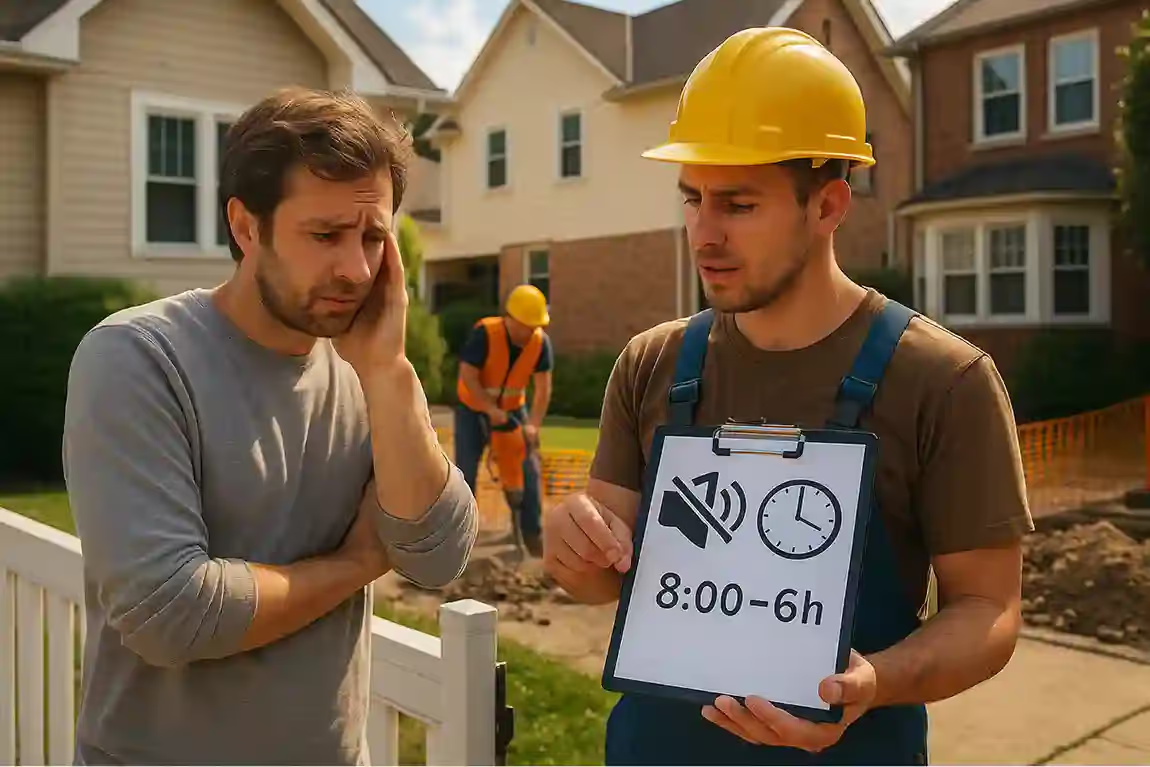
Digital tools streamline communication and demonstrate professionalism that neighbors appreciate. A simple project website or dedicated Facebook page becomes your hub for updates, schedule changes, and feedback collection, providing a single location where neighbors can find current information without needing to contact you directly for routine questions. Project timeline apps like Buildertrend or CoConstruct allow you to share real-time schedules with interested neighbors, granting them view-only access so they can see which days will be especially noisy and plan accordingly. This transparency eliminates guesswork and shows you are organized, building confidence that you are managing the project responsibly.
Noise monitoring devices provide objective data that can verify compliance and resolve disputes about what actually occurred. Affordable decibel meters in the thirty to fifty dollar range let you take periodic readings to ensure your project stays within permissible limits, and the measurements you record can counter exaggerated claims if disputes arise. More sophisticated systems like NoiseAware provide continuous monitoring with data logging, creating a comprehensive record throughout your project. While such systems are not necessary for most residential renovations, they offer compelling evidence if disputes arise and demonstrate a level of commitment to compliance that can impress skeptical neighbors or enforcement officers.
Group messaging platforms like GroupMe or WhatsApp create direct communication channels without requiring you to share personal phone numbers with everyone in the neighborhood. Post daily start and end times, share photos of progress that help neighbors see the purpose behind the disruption, and send friendly reminders before particularly noisy phases. Email automation services like Mailchimp let you send polished weekly newsletters to neighbors who opt in, including project milestones, upcoming phases, and neighbor spotlights thanking specific people for their support. The professional presentation elevates perception of your project and demonstrates that you take community relations as seriously as construction quality.
The Martinez family undertook a three-month whole-house renovation in a close-knit Portland neighborhood, demonstrating best practices that other homeowners can emulate. Two weeks before starting, they delivered personalized letters to every neighbor within three houses and hosted a Saturday coffee gathering where they shared architectural plans and answered questions. They created a simple website with weekly updates showing progress photos and upcoming schedules. When their newborn neighbor arrived mid-project, they voluntarily ceased weekend work and gifted a white noise machine with a handwritten note acknowledging the difficult timing. The project finished on time with zero formal complaints, and several neighbors now request contractor referrals, viewing the Martinez renovation as evidence of quality work done thoughtfully.
Conversely, the Johnsons began a second-story addition without notifying neighbors, assuming that permissible construction did not require community communication. Their contractor started demolition at 6:30 AM on Saturdays, violating local codes that required weekend work to begin no earlier than 9:00 AM. An adjacent neighbor who worked night shifts filed complaints after losing sleep repeatedly, and code enforcement issued a stop-work order that halted progress for two weeks while the Johnsons secured a variance and completed required neighbor notifications. The neighbor relationship deteriorated to the point of avoiding eye contact, and the project ultimately cost fifteen percent more than budgeted due to delays, re-mobilization fees, and expedited permit processing charges. What began as a straightforward construction project became a cautionary tale about the costs of inadequate communication.
The Thompson situation illustrates middle ground that many homeowners experience. They notified neighbors before construction but did not establish a formal feedback system, assuming that initial communication would suffice. Mid-project, a neighbor became frustrated about dust accumulating on their patio but did not know who to contact and felt awkward approaching the construction crew directly. By the time they reached the homeowner through indirect channels, resentment had built to the point where the conversation became confrontational rather than collaborative. A simple daily check-in text or posted contact information could have prevented the tension, allowing the concern to be addressed before frustration accumulated. The relationship eventually recovered, but it required explicit repair efforts that would have been unnecessary with better communication infrastructure.
Every renovation inevitably creates noise, but the volume of neighbor complaints is entirely within your control through thoughtful planning and consistent communication. By researching local regulations before work begins, communicating proactively with everyone affected, creating and adhering to a reasonable schedule that exceeds legal minimums, and maintaining responsive feedback channels throughout the project, you transform potential adversaries into allies who root for your success. The neighbors who might have complained to code enforcement become the neighbors who check in on your progress and celebrate your completion. The relationships that might have fractured under the stress of construction instead strengthen through the demonstration of mutual respect and consideration.
Remember that your neighbors are not obstacles to your renovation goals—they are community members who will share your street long after contractors depart. The goodwill you invest during construction pays dividends for years in neighborhood harmony, property value protection, and the simple pleasure of friendly waves across driveways. Your dream home does not exist in isolation; it becomes part of a web of relationships that thoughtful noise management strengthens rather than fractures. The extra effort required to communicate proactively, respond to concerns promptly, and accommodate sensitive situations represents a small investment compared to the value of maintaining positive community relationships that will enrich your life in your renovated home for years to come.
The following essential principles will help ensure your renovation project succeeds without damaging community relationships: DECEMBER 01, 2025
DECEMBER 01, 2025
NOVEMBER 28, 2025
NOVEMBER 28, 2025
NOVEMBER 28, 2025