

How to Prep Your Home Before the Renovation Crew Arrives
DECEMBER 01, 2025
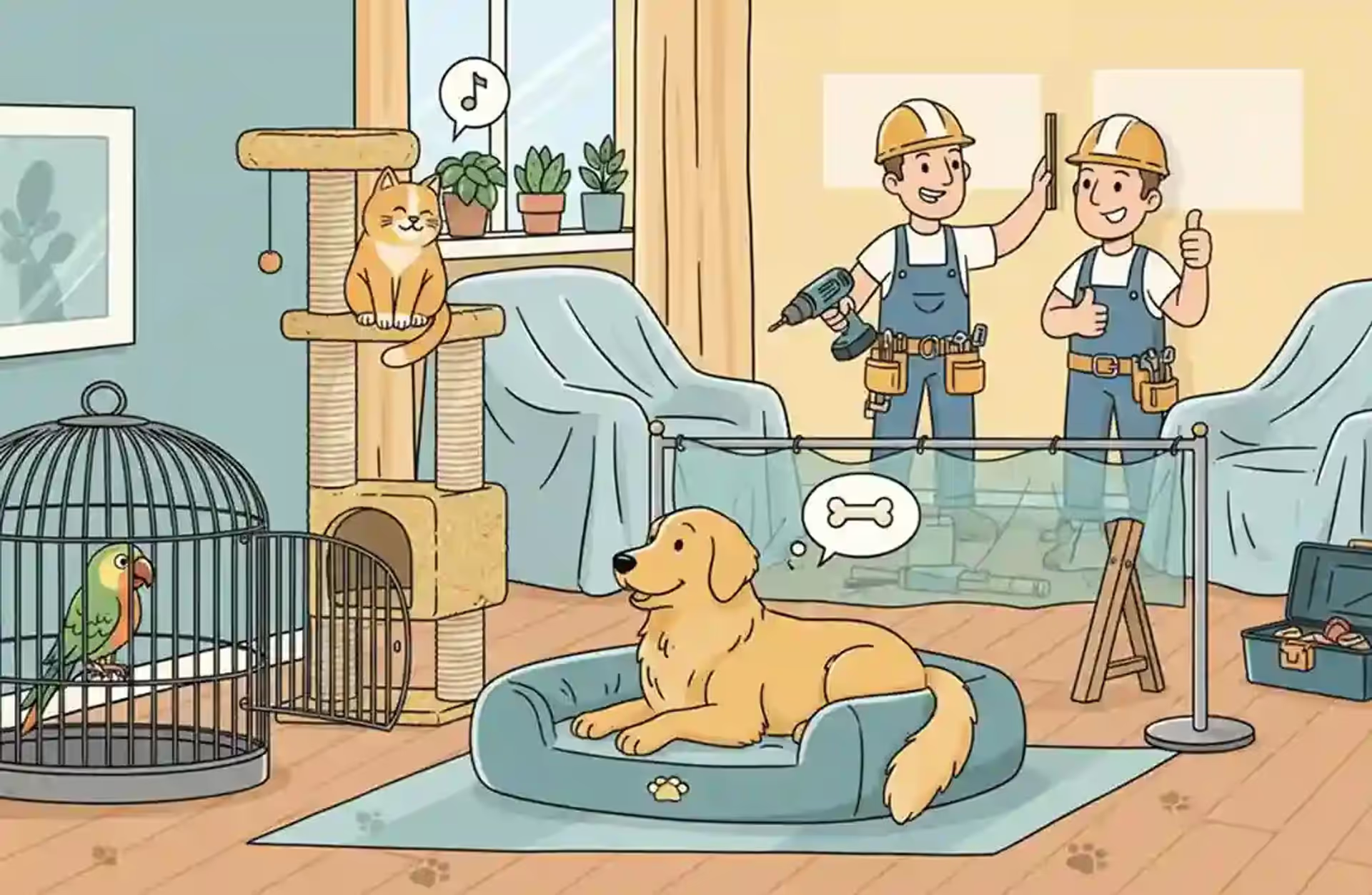
While homeowners meticulously plan cabinet styles and flooring samples, they frequently overlook the four-legged family members who face genuine peril when hammers start swinging. Construction zones introduce sharp objects, toxic substances, extreme noise, and territorial disruptions that can traumatize animals or cause physical harm. From escape attempts through open doorways to anxiety-induced behavioral changes, pets experience renovations differently than humans—but with proper foresight, you can transform this stressful period into a manageable transition for every member of your household. The challenges extend beyond obvious physical dangers to include psychological impacts that can manifest as behavioral changes, appetite disruption, and health problems that may persist long after the construction crew has departed. Understanding the full scope of renovation-related risks to pets enables you to implement comprehensive protective strategies that address both immediate hazards and longer-term welfare concerns.
Home renovations create a perfect storm of hazards for companion animals that requires careful planning and proactive management. According to the VCA Animal Hospitals, pets face numerous dangers during construction including exposed electrical wires, nails, screws, chemicals, paint, insulation, spackle, putty, sawdust, and ladders. Dogs find certain glues very tasty, making access prevention essential. The American Humane Society reports that construction-related pet injuries increase by forty percent during spring and summer remodeling seasons, when renovation activity peaks. These incidents range from lacerated paws on stray nails to respiratory issues from inhaled dust and chemicals. Beyond physical dangers, the psychological impact on animals proves equally significant, manifesting as destructive behaviors, appetite changes, and even chronic health problems that can persist long after the renovation concludes.
Physical hazards lurk throughout active construction areas in ways that homeowners often fail to anticipate until an injury occurs. Sharp objects like nails, staples, and utility knife blades inevitably fall on floors where paws can step on them, and the small size of these items makes them easy to overlook during routine cleanup. Power tools create exposure to electrical cords that curious animals might chew, creating risks of electrocution or severe mouth burns. Paint thinners, adhesives, and solvents release toxic fumes that damage sensitive respiratory systems, with animals being particularly vulnerable because their smaller body size means toxic exposures affect them more intensely. Even seemingly innocuous materials like sawdust can cause significant irritation when inhaled or ingested during grooming, potentially leading to respiratory infections or gastrointestinal distress. The Pet Poison Helpline warns specifically about expansive glues like Gorilla Glue, which can form large hard masses in a pet's stomach requiring surgical removal, even from small ingested amounts.
Noise pollution presents an underestimated threat that can cause both immediate distress and lasting behavioral changes in companion animals. A circular saw operates at ninety to one hundred decibels—comparable to a gas-powered lawn mower positioned directly beside the listener. Dogs hear frequencies up to 65,000 Hz, while humans max out around 20,000 Hz, making construction sounds painfully intense for canine ears even when they seem tolerable to human workers. This auditory assault triggers flight responses, causing animals to bolt through open doors or hide in dangerous spaces within walls where they may become trapped or injured. Cats similarly experience heightened sensitivity to sudden loud noises and may develop lasting noise phobias that persist long after the construction ends. The This Old House pet safety guide recommends using temporary sound barriers such as heavy curtains, room dividers, or insulating foam boards around renovation areas to reduce noise reaching your pet's safe zone.
Routine disruption compounds physical and auditory hazards by eliminating the environmental consistency that animals depend on for psychological security. Workers arriving at 7 AM alter feeding schedules that pets have followed for years. Barricaded rooms block access to favorite sleeping spots where animals have always felt safe. The absence of familiar furniture eliminates territorial markers that cats especially use to navigate their environment and feel secure. Dogs and cats thrive on predictable routines and familiar environments; when their territory becomes an unfamiliar industrial zone with loud noises, strange people, and rearranged furniture, stress manifests as destructive behaviors, appetite changes, inappropriate elimination, and even health problems including gastrointestinal upset and immune suppression. Human error adds another layer of risk that even the most conscientious homeowners cannot fully eliminate. Contractors focused on quality workmanship cannot simultaneously monitor pets, and an open door for carrying drywall becomes an escape route before anyone notices the animal has slipped through.
Preparation must begin two to three weeks before construction starts to allow adequate time for veterinary consultations, supply acquisition, and gradual acclimation of pets to new routines. First, update identification tags and microchip registration information with current contact details. If your pet escapes through an open door, current contact information becomes your best chance for recovery. According to ASPCA Pet Insurance, pets with microchips are three times more likely to be returned home than those without microchips, making this simple identification measure one of the most effective protections you can provide. Include your cell phone number and an email address that will not change if you relocate temporarily during construction, and consider adding a secondary contact who can be reached if you are unavailable.
Schedule a veterinary checkup before demolition begins to establish baseline health and discuss anxiety management strategies with your veterinarian. This appointment allows you to explain your renovation timeline and ask about anti-anxiety medications or supplements for pets with noise sensitivities. Some veterinarians recommend starting calming supplements seven to ten days before construction to build therapeutic levels in your pet's system. The Best Friends Veterinary Center guide to anti-anxiety medications explains that there are dozens of products available for treating anxiety in cats and dogs, ranging from prescription medications for severe cases to supplements and pheromone products for mild to moderate anxiety. For severe fear or anxiety, prescription medications are often recommended quickly, while milder cases may benefit from combination approaches using supplements, pheromones, and behavioral modification. This veterinary appointment also ensures all vaccinations remain current, which boarding facilities require if temporary relocation becomes the best option for your pet.
Review homeowner's insurance policies regarding pet-related incidents that might occur during construction. Most policies cover third-party injuries caused by pets, but verify coverage limits and exclusions that might apply during renovation activities. Some insurers require notification when contractors work on property, and certain policies exclude specific breeds commonly labeled as dangerous. Consider umbrella coverage if your policy has low limits, especially for large dog breeds that could inflict serious injuries if frightened by construction activity. The Nationwide insurance home remodeling guide recommends asking your property insurance company what construction-related accidents are and are not covered, and getting a copy of your contractor's liability insurance to store with your mortgage and title documents.
Create a comprehensive pet profile document to share with contractors before work begins. Include photos showing your pet's appearance, names they respond to, temperament descriptions noting any fear triggers or aggressive tendencies, and specific instructions like "cat must stay indoors" or "dog fears men in hats" or "this animal should not be allowed near the gate." This proactive communication establishes expectations without relying on verbal reminders that might be forgotten amid the distractions of active construction. Post copies on doors leading to restricted areas as visual reminders for workers who may not have seen the initial briefing document. The BigRentz pet safety guide emphasizes introducing your pet to any strangers coming to your home during construction, as this can alleviate anxiety—particularly for dogs who tend to trust people their pack leader appears to trust.
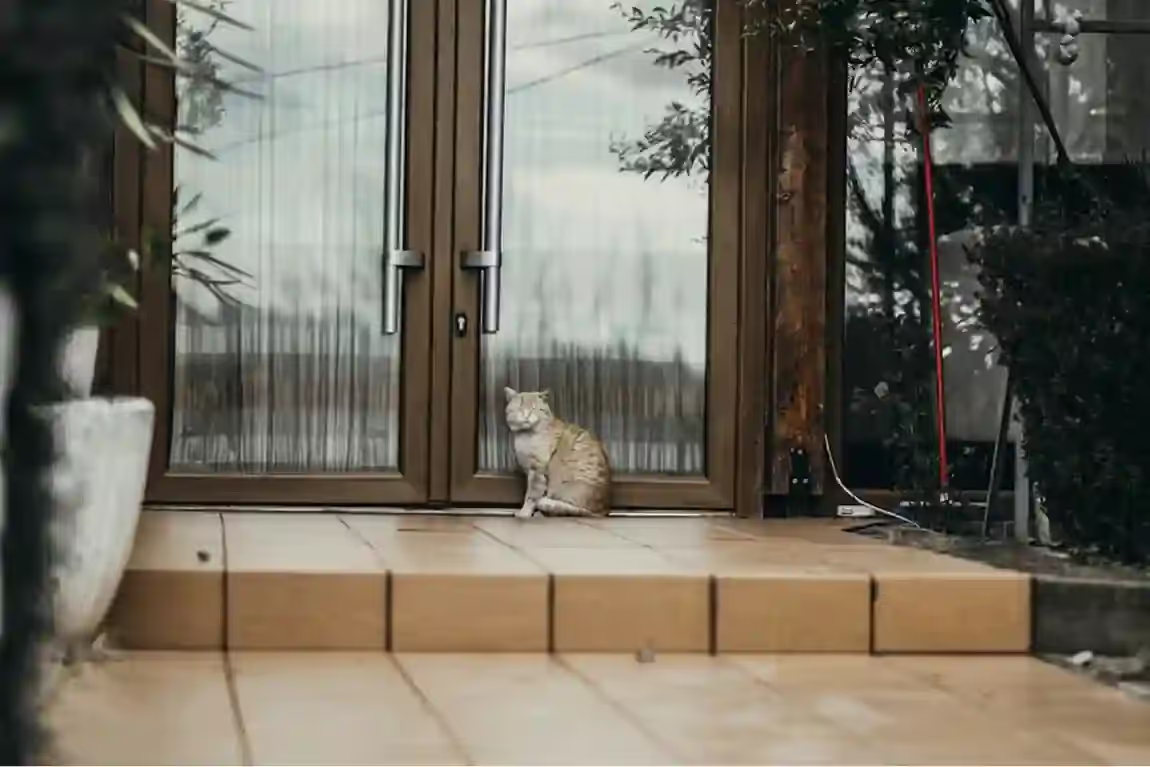
Designate one room as a pet sanctuary that remains completely off-limits to workers throughout the entire renovation project. This space should be located as far as possible from construction noise, ideally with a solid door that locks to prevent accidental entry by workers unfamiliar with your pet protocols. For homes with multiple pets, consider separate zones if animals do not get along well under stress, as the anxiety of renovation can exacerbate existing tensions between housemates. The sanctuary must contain all essentials your pet needs: food and water in non-spill bowls, litter boxes following the rule of thumb of one per cat plus one extra, comfortable bedding that carries familiar scents, and favorite toys that provide comfort and mental stimulation during confinement.
Soundproofing dramatically reduces stress by minimizing the acoustic intrusion that triggers fear responses in animals. Install weatherstripping around doors to seal gaps that allow sound transmission. Place a white noise machine or fan near the entrance to mask construction sounds with consistent ambient noise. Research shows that classical music played at low volume helps lower cortisol levels in both dogs and cats, with Baroque music featuring fifty to sixty beats per minute proving particularly effective. Avoid radio stations with commercials that include doorbells, sirens, or other triggering sounds that might startle an already anxious animal. The West Park Animal Hospital renovation safety guide recommends white noise, soft music, or other noise blockers as part of creating a safe, quiet space for your pet to relax away from the noise and traffic of construction activity.
Familiar scents provide comfort in disrupted environments because animals rely heavily on olfactory cues to assess safety. Place unwashed T-shirts or other clothing items bearing your scent in pet beds, as this familiar smell reassures animals that their person remains present even when you cannot be physically nearby. Use species-appropriate pheromone diffusers—Adaptil for dogs and Feliway for cats—installed two to three days before construction begins to allow synthetic pheromones to permeate the space. These products mimic calming maternal scents and significantly reduce anxiety in many animals, though individual responses vary. Keep windows in the sanctuary closed to prevent scent marking from construction dust that could trigger territorial stress in cats who perceive unfamiliar smells as intrusions by other animals.
Visual barriers help pets feel secure by creating protected observation points that satisfy curiosity while maintaining safety. For dogs, cover crates with blankets to create den-like spaces that feel enclosed and protected rather than exposed. For cats, provide elevated perches where they can observe activity from safety—tall cat trees, cleared-off shelves, or window perches that give them height advantage work perfectly for this purpose. Ensure these observation posts remain stable and will not be bumped by workers in adjacent rooms, as an unstable perch that shifts or falls could injure your pet and create lasting fear associations with the space. Test the safe zone three to four days before construction begins to ensure pets adapt to the new space while the rest of the house remains normal, allowing adjustment to occur before stress levels escalate.
Preserve feeding schedules religiously because consistency in mealtimes provides psychological anchoring during periods of environmental upheaval. If workers arrive at 7 AM and your dog normally eats at 8 AM in the kitchen, move the 8 AM feeding to the safe zone three days before construction begins so this adjustment happens during calm conditions rather than amid renovation chaos. Use battery-operated automatic feeders if you are away during feeding times to maintain precision, as animals find comfort in the predictability of meals arriving at expected intervals. The Tilghman Builders pet remodeling tips emphasize that great contractors will even want to meet your furry friends and can sometimes coexist with pets in the home, with some becoming "project managers" who participate in daily activities when safety allows.
Exercise requirements intensify during stressful periods because physical activity helps metabolize stress hormones and promotes calm behavior. Dogs need approximately double their usual physical activity to compensate for mental stress and the reduced movement that comes with confinement during working hours. Increase walk duration by fifty percent or add a second daily walk scheduled during times when construction activity is lowest. For indoor cats who cannot safely access outdoor exercise, schedule three ten-minute interactive play sessions with wand toys, laser pointers, or other engaging toys that encourage vigorous movement. These activity bursts release tension, promote mental engagement that distracts from environmental stressors, and encourage sleep when animals return to their sanctuary.
Mental stimulation prevents destructive behaviors born from boredom and anxiety that confined animals often develop. Rotate puzzle feeders daily to maintain novelty, as animals quickly lose interest in familiar puzzles but remain engaged by new challenges. Stuff Kong toys with frozen peanut butter, wet food, or other enticing fillings—the licking action required to extract contents releases endorphins that naturally calm animals. For cats, provide catnip-filled toys that trigger playful behavior, puzzle boxes with hidden treats that encourage problem-solving, and cardboard boxes with holes cut for exploration that satisfy feline curiosity. The Five Star Painting pet renovation guide recommends considering whether boarding might be appropriate for longer renovations or for younger, more mischievous pets who are more likely to get into trouble.
Gradual desensitization helps noise-sensitive animals develop tolerance before the full intensity of construction begins. Before workers arrive, play recorded construction sounds at low volume during mealtimes and play sessions, gradually increasing volume over ten days while maintaining positive associations through treats, petting, and games. This technique reduces the shock of sudden loud noises when actual work begins by teaching your pet that these sounds predict good things rather than danger. Some animals respond well to this approach while others show minimal improvement, so assess your individual pet's progress and adjust strategies accordingly. Animals who remain highly reactive despite desensitization attempts may benefit from anxiety medication, which your veterinarian can prescribe based on your pet's specific needs and the duration of anticipated construction stress.
Dogs require more intensive management due to their size, mobility, and potential for aggression when frightened by unfamiliar situations. Secure fencing must be double-checked before construction begins because vibrations from heavy equipment can loosen fence posts, creating escape routes that did not exist when you last inspected the perimeter. For dogs with territorial instincts, place visual barriers over windows facing work areas to reduce arousal from seeing strangers moving around what the dog perceives as their territory. Consider professional training refresher courses focusing on "leave it" and "stay" commands before construction begins, as reliable obedience provides safety margins when unexpected situations arise. The FitBark dog safety during renovation guide recommends getting in contact with your contractor in advance so you know what to expect, giving you the ability to make plans for your canine companion.
Cats present unique challenges because they hide when stressed, potentially in dangerous locations like inside walls or under floorboards where they may become trapped. Before allowing workers to seal any openings, perform thorough cat counts to ensure all felines are accounted for. Keep cats strictly confined to their safe room with adequate litter boxes rather than allowing free access to the entire house, as their tendency to seek small hiding spaces creates significant risk in active construction zones. For multi-cat households, provide separate resources for each cat—food bowls, water sources, and litter boxes—plus one extra to prevent resource guarding that becomes more likely under stress. Cats who normally get along peacefully may become aggressive toward each other when anxiety levels rise, making physical separation necessary for some households during renovation.
Small mammals, birds, reptiles, and amphibians each present distinct vulnerabilities that require specialized protective measures during renovation: Pet owners face significant legal exposure during renovations that many fail to consider until problems arise. If your dog bites a contractor, you could be held liable for medical expenses, lost wages, and pain and suffering damages that can quickly exceed typical insurance limits. Most homeowner's policies include $100,000 to $300,000 in personal liability coverage, but serious injuries involving surgery, rehabilitation, or permanent disability can exceed these limits. Additionally, some policies exclude certain breeds commonly labeled as dangerous regardless of the individual animal's temperament. Verify coverage details before work begins and consider umbrella coverage if your policy has low limits, especially for large dog breeds capable of inflicting serious injuries if frightened.
Contractor injuries are not the only liability concern during renovation. If your pet damages expensive materials—chewing custom cabinetry, scratching newly installed flooring, or knocking over paint that ruins finished surfaces—you may be responsible for replacement costs that the contractor will deduct from the project or bill separately. Some contractors include clauses in contracts holding homeowners liable for pet-related damage, so read agreements carefully and negotiate unclear terms before signing. The Figo Pet Insurance renovation safety guide recommends taking a lap around renovated areas before allowing pets access, looking for anything that could pose a threat and removing leftover materials before your pet enters the space.
Conversely, contractors can be held liable for injuring your pet through negligence, creating potential for disputes that complicate relationships essential to successful project completion. If a worker leaves a gate open and your dog escapes into traffic, the contractor's general liability insurance might cover veterinary costs if negligence can be established. However, proving negligence requires documentation of instructions given and precautions taken, making written agreements specifying pet safety protocols essential for protecting everyone involved. Workers' compensation claims become complicated when pets are involved: if a contractor trips over your cat and breaks an arm, they may file a workers' comp claim against their employer, but the employer could then seek reimbursement from your homeowner's policy through subrogation. Maintain clear documentation that you secured pets appropriately to defend against such claims.
Despite best planning, emergencies occur that require immediate response to protect pet welfare. Create a pet first aid kit including gauze, non-stick bandages, adhesive tape, hydrogen peroxide to induce vomiting if instructed by a veterinarian, digital thermometer, and emergency veterinary contact information including after-hours clinics and poison control hotlines. Include a muzzle for injured dogs because even gentle animals may bite when in pain, and having this equipment readily available prevents dangerous situations during transport to veterinary care. Keep this kit accessible but away from construction areas where it might be damaged or displaced by work activity.
Identify emergency veterinary clinics near your home and along routes to any temporary housing locations where you might stay during intensive construction phases. Program their numbers into your phone so you can reach help immediately without searching for contact information during a crisis. If your regular veterinarian is located near your home but you are staying with family thirty miles away during renovation, locate a clinic near your temporary location as well. The AAHA microchip lookup tool provides resources for identifying microchip registries and has been endorsed by the Coalition for Reuniting Pets and Families, including the ASPCA, American Humane Association, and Humane Society of the United States.
Develop an evacuation plan specific to your pet that accounts for the disrupted layout of your home during construction. If fire breaks out or a gas leak occurs, how will you quickly secure and transport your animal through spaces cluttered with construction materials and unfamiliar obstacles? Keep carriers easily accessible, not buried behind storage boxes or blocked by renovation equipment. Practice loading your pet into the carrier calmly before emergencies arise so both you and your animal know the routine. For large dogs who do not use carriers, ensure leashes and collars are readily available near exits so you can quickly secure and control them during evacuation.
Monitor for signs of toxic exposure throughout the renovation: difficulty breathing, excessive drooling, vomiting, seizures, or sudden lethargy may indicate your pet has ingested or inhaled something dangerous. Paint fumes, solvents, and even some wood dusts can cause serious reactions in animals with smaller body sizes and faster metabolisms than humans. If exposure occurs, move your pet to fresh air immediately and contact your veterinarian or the Pet Poison Helpline at 855-764-7661, noting that a consultation fee applies. Behavioral emergencies also require intervention—if your pet stops eating for forty-eight hours, becomes aggressively reactive toward family members, or demonstrates self-harm behaviors like excessive licking or fur pulling, consult your veterinarian immediately as these signs indicate severe stress requiring medical intervention.
For major renovations lasting eight weeks or longer, temporary relocation often proves more humane than prolonged confinement that can cause lasting psychological damage. Boarding facilities offer structured environments with professional care from staff trained to recognize and respond to animal health and behavioral issues. Costs range from $25 to $75 daily depending on facility amenities, with high-end facilities providing webcam access so you can check on your pet, playtime supervision, and even grooming services. The 24Petwatch boarding options guide explains that pet boarding facilities range from traditional kennels to pet resorts with private suites, and emphasizes the importance of touring facilities before committing to evaluate cleanliness, staff-to-animal ratios, and emergency protocols.
Pet sitters offer in-home care that maintains familiar environments while providing professional attention during your absence. Services like Rover.com and Care.com connect you with vetted sitters who visit two to three times daily or provide overnight stays in their own homes or yours. This option works particularly well for cats and small mammals who stress more from environmental change than from reduced human interaction—leaving them in their familiar territory with regular care visits may cause less anxiety than relocation to an unfamiliar boarding facility. The Houzz Pro guide to pets during remodels recommends doggy daycare as an excellent short-term solution that gives pets attention, exercise, and breaks from renovation stress during the day while allowing them to return to quieter home conditions in the evening.
Friends and family provide cost-effective alternatives if they understand your pet's needs and can commit to consistent care throughout the renovation duration. Provide detailed written instructions including feeding amounts with specific measurements, medication schedules with dosing information, behavioral quirks that might be misinterpreted, and emergency contacts including your veterinarian and backup resources. Offer to compensate them even if they initially refuse—renovation pet care requires significant time and responsibility that deserves acknowledgment. Timing vacations with major construction phases benefits both you and your pet, allowing everyone to escape the chaos while your home undergoes its most disruptive work. Coordinate with contractors to schedule plumbing rough-in or electrical work—phases that create maximum noise and dust—during your planned absence so you return to a home where the worst disruption has passed.
The day construction ends does not mean immediate return to normal for pets who have spent weeks or months in heightened stress states. New smells from paint, adhesives, and fresh materials can still trigger anxiety, and altered spatial arrangements may confuse animals accustomed to the previous layout. Gradually reintroduce animals to renovated areas one room at a time, starting with short supervised visits while distributing high-value treats to create positive associations with the new spaces. Allow pets to explore at their own pace—forcing them into new areas increases anxiety rather than building confidence. Some animals adapt quickly while others need weeks to fully accept changes, so remain patient and attentive to individual responses.
Deep clean before pet reintroduction to remove construction residues that could harm animals or trigger continued stress responses. Despite contractors' cleanup efforts, construction dust remains in vents, on surfaces, and embedded in soft materials. Use pet-safe cleaning products without harsh chemicals that might irritate sensitive respiratory systems or leave residues that cause problems when licked during grooming. Consider professional duct cleaning if extensive drywall work occurred, as fine particles can circulate through HVAC systems for weeks after visible cleaning is complete. Wash all pet bedding and toys that may have absorbed dust during construction, and replace items that cannot be adequately cleaned.
Restore routines gradually to avoid overwhelming pets with too many changes simultaneously. If feeding locations changed during construction, return to original spots slowly by moving bowls a few feet daily rather than immediately returning to pre-renovation positions. Maintain the enhanced exercise schedule established during construction for at least two weeks post-renovation to help pets burn off lingering stress energy and establish that positive routines continue even as other aspects of life normalize. Monitor litter box habits closely because cats may develop aversions to boxes placed near new appliances that produce unfamiliar sounds or in locations that feel exposed compared to previous arrangements.
Watch for behavioral regression that may indicate lasting effects from renovation stress. Some pets develop new phobias of loud noises or strangers after experiencing the intensity of construction activity. If your dog becomes reactive to doorbells, power tools, or visitors after renovations, or if your cat hides more frequently than before construction began, consult a veterinary behaviorist who can design desensitization protocols to address renovation-induced anxieties before they become chronic problems. These professionals understand the psychological impact of environmental disruption on animals and can provide targeted interventions that general practitioners may not be equipped to offer. Early intervention typically produces better outcomes than waiting to see if problems resolve on their own.
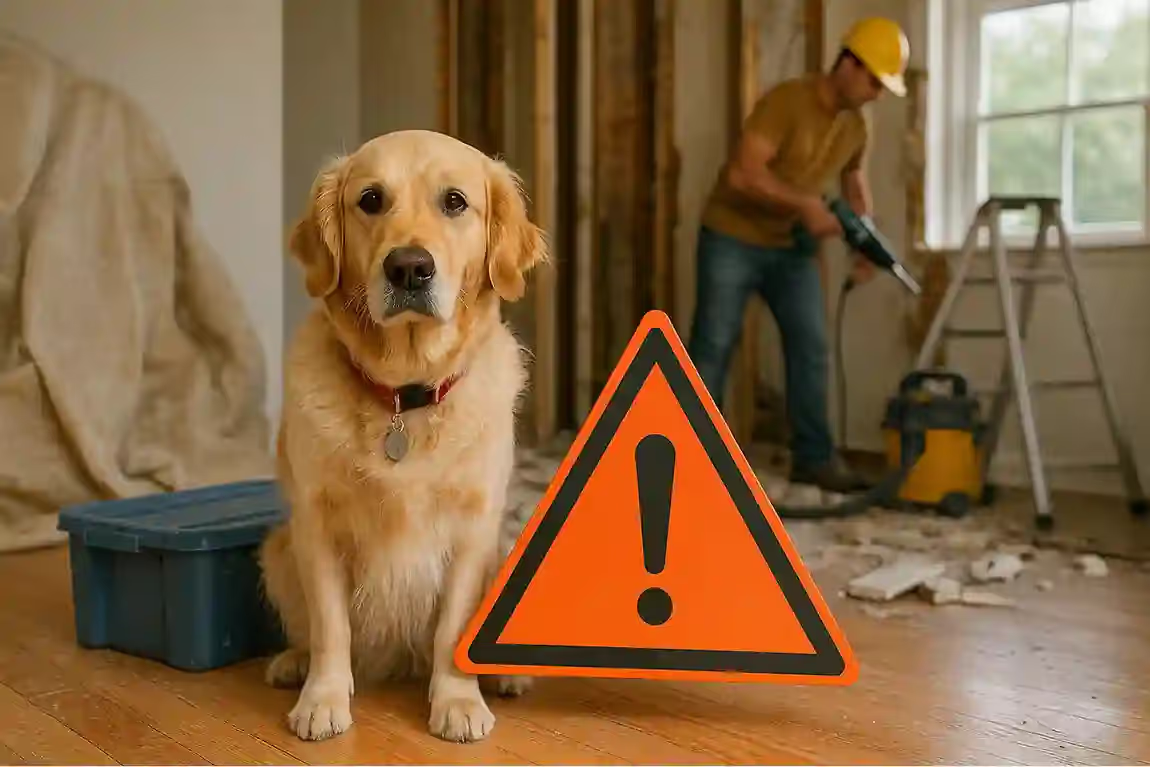
Pets mirror owner emotions with remarkable sensitivity, picking up on stress signals that humans may not consciously recognize they are transmitting. If you are frantic about renovation delays and budget overruns, your animals absorb that tension and amplify their own stress responses accordingly. Practice stress management techniques not just for your own benefit but for your pets' welfare as well. Take ten-minute meditation breaks that help you reset emotionally, maintain regular sleep schedules despite construction disruptions, and exercise alongside your pets to share calming experiences that strengthen bonds during turbulent times. Your calm demeanor reassures animals that despite environmental chaos, their pack leader remains in control and the situation is safe.
Children in the home amplify pet stress through their own anxiety and unpredictable behavior that can overwhelm animals already operating at heightened alert levels. Teach children to respect the pet's safe zone as a genuine sanctuary that remains off-limits during construction, and model calm interactions that demonstrate appropriate behavior around stressed animals. Assign age-appropriate pet care responsibilities to give children a sense of control and purpose while strengthening their bond with family animals during turbulent times. Children who participate in caring for pets during difficult periods often develop deeper compassion and responsibility that extends well beyond the renovation itself.
Consider hiring a professional pet sitter for periodic check-ins even if your pet stays home during construction. Having a calm, experienced animal handler assess your pet's condition provides objective feedback about stress levels you might miss because you see your animal daily and may not notice gradual changes. Professional sitters can also provide midday walks or play sessions when your schedule is consumed by contractor meetings, design decisions, and the countless demands of managing a major renovation project. This support ensures your pet receives consistent attention even when your capacity is stretched thin by competing priorities.
Renovations test every aspect of household harmony, including the unspoken bonds between pets and owners who may not realize how profoundly construction chaos affects their animals. By recognizing these challenges early and implementing comprehensive safety, stress-management, and contingency plans, you protect not just your pet's physical wellbeing but the emotional foundation of your interspecies family. The investment in pet safety planning pays dividends beyond the renovation itself, often strengthening relationships as families discover new ways to communicate and provide comfort during shared adversity.
Many owners report stronger bonds with their animals after navigating construction challenges together, emerging from the experience with deeper understanding of their pet's needs and more effective strategies for providing security during stressful situations. The temporary inconvenience of boarding, the expense of extra equipment like white noise machines and pheromone diffusers, and the effort of maintaining routines despite disruption all contribute to a long-term payoff: a resilient, trusting relationship with animal companions who have learned they can depend on you even when their world turns upside down. When the dust finally settles and your beautiful new space emerges, you will find your greatest joy comes not from the perfect backsplash or the upgraded fixtures, but from sharing that renewed home with pets who feel as safe and comfortable as you do.
The following essential principles will help ensure your pets remain safe and psychologically healthy throughout your renovation project: DECEMBER 01, 2025
DECEMBER 01, 2025
NOVEMBER 28, 2025
NOVEMBER 28, 2025
NOVEMBER 28, 2025