

The Pre-Remodel Checklist: 15 Things to Do Before Demolition Starts
DECEMBER 01, 2025

The morning your home remodeling contractors pull into your driveway marks the beginning of a transformation that will reshape not just your living space but your daily existence for weeks or months to come. Yet the true foundation of a successful home remodel is poured long before any demolition hammer swings or any drywall dust fills the air. Preparation is the invisible architecture supporting every smooth renovation, the scaffolding upon which efficient timelines, protected belongings, and manageable stress levels rest. Homeowners who invest meaningful effort into getting ready for remodeling contractors consistently report better outcomes, fewer surprises, and a dramatically more positive experience than those who approach the process with casual disregard for pre-work planning.
The statistics surrounding renovation stress paint a sobering picture. According to industry surveys, nearly 85% of homeowners find remodeling projects stressful, with the planning phase ranking among the most anxiety-inducing stages of any home upgrade. The National Association of Home Builders (NAHB) reports that almost half of owner-occupied homes in the United States were built before 1980 and have a median age of 41 years, meaning renovation activity continues to surge as aging housing stock demands attention. With nearly 48% of the housing stock dating back to the 1980s and earlier, remodeling has become not just a luxury but a necessity for millions of American families seeking to maintain, update, and personalize their living environments.
What separates a renovation experience that homeowners describe as manageable from one they characterize as nightmarish often comes down to a single variable: thorough preparation before work begins. The most common mistakes homeowners make before a major renovation include skipping detailed inspections, failing to establish clear communication protocols with contractors, neglecting to protect vulnerable areas of the home, and underestimating the disruption that construction inevitably brings. Each of these oversights compounds the others, creating cascading problems that inflate budgets, extend timelines, and fray relationships between families and their hired professionals. This comprehensive guide will walk you through every critical step of how to prepare your home for renovation, transforming you from an anxious homeowner into a confident project partner ready to navigate the complexities of construction with poise and pragmatism.
Understanding why preparation matters requires acknowledging the multifaceted nature of renovation disruption. Construction projects touch every aspect of domestic life simultaneously: they compromise your physical comfort, challenge your financial resources, test your patience, and demand constant decision-making during periods of maximum stress. Without adequate preparation, you surrender control to chaos. With proper groundwork, you retain agency over your environment, your schedule, and your emotional equilibrium. The hours you invest in preparation before your contractors arrive will return dividends measured not just in dollars saved but in sanity preserved, relationships protected, and outcomes improved.
Before any serious home renovation advice can be applied, the fundamental task of decluttering must take precedence. Clutter represents far more than aesthetic disarray in a renovation context; it constitutes a genuine impediment to contractor efficiency, a risk multiplier for accidental damage, and a safety hazard for everyone moving through the work zone. Professional contractors arrive with timelines mapped to the hour and labor costs calculated to the dollar. Every minute they spend navigating around your grandmother's china cabinet or repositioning your collection of vintage vinyl records translates directly to increased expenses and delayed completion. The seemingly simple act of clearing space before work begins can shave days off project timelines and hundreds or thousands of dollars off final invoices.
The decluttering process should begin with an honest assessment of every item within and adjacent to the designated work zone. This evaluation extends beyond the obvious renovation footprint to encompass transition areas, hallways that workers will traverse, rooms where equipment might be staged, and storage spaces that could provide temporary haven for displaced belongings. A systematic approach yields superior results compared to haphazard tidying. Begin by categorizing items into four distinct groups: those that must remain accessible during renovation, those that can be stored on-site in protected areas, those best relocated off-site entirely, and those that the renovation provides an excellent excuse to donate or discard permanently.
Creating a designated renovation-free zone represents one of the most valuable preparation strategies available to homeowners planning to remain in residence during construction. This sanctuary space serves as a psychological refuge where normal life can continue with minimal disruption. Stock it with essential comfort items, entertainment options, and daily necessities that might otherwise be inaccessible once work begins. Organizations like Goodwill offer excellent resources for those using renovation as an opportunity to donate items no longer needed, transforming the decluttering burden into a community benefit.
The relationship between construction activity and delicate possessions is fundamentally adversarial. Vibrations from demolition, the perpetual presence of airborne particulates, heavy foot traffic through previously peaceful spaces, and the simple chaos of active work zones create an environment hostile to anything breakable, sentimental, or irreplaceable. Understanding this reality demands proactive removal of vulnerable items before contractors begin, not reactive salvage operations after damage occurs. The time invested in proper removal and storage represents insurance against losses that no actual insurance policy can fully redress.
The physics of construction explain why even items seemingly distant from active work areas face risk. Hammering, drilling, and demolition generate vibrations that travel through structural elements, potentially affecting items rooms away from the noise source. A framed photograph hanging on a wall adjacent to demolition activity may shake loose and fall. A crystal vase on a mantle across the house might vibrate its way to an edge and tumble. Airborne dust infiltrates everywhere regardless of barriers, settling on surfaces, penetrating storage containers, and coating electronics with abrasive particles that can damage sensitive components. Heavy foot traffic means workers moving quickly through spaces with tools and materials, creating collision risks for items that normally occupy safe positions.
Document everything you remove with photographs before packing, both for insurance purposes and to assist with replacement after project completion. Create an inventory list noting item locations and storage destinations. This documentation proves invaluable should any damage occur despite precautions, and it simplifies the restoration process once construction concludes.
The storage solution you choose should match both the value of items being protected and the duration of your project. For short renovations lasting only a few weeks, secure storage within your own home in rooms distant from construction may suffice. Longer projects, particularly those involving multiple phases or whole-house renovations, warrant off-site storage in climate-controlled facilities that protect against temperature extremes, humidity fluctuations, and pest intrusion. Consider the accessibility needs as well; items you might need during renovation should remain relatively retrievable, while purely decorative pieces can be packed away more permanently until project completion.
Professional moving companies and storage facilities often offer specialized services for renovation scenarios. These providers understand the temporary nature of renovation storage and can provide flexible arrangements that accommodate uncertain project timelines. Some offer portable storage containers delivered to your property, allowing you to load items at your convenience and have the container transported to a secure facility for the project duration. This approach combines the convenience of on-site packing with the protection of professional storage. Whatever solution you select, verify insurance coverage for stored items and understand what protections apply during both transport and storage phases.
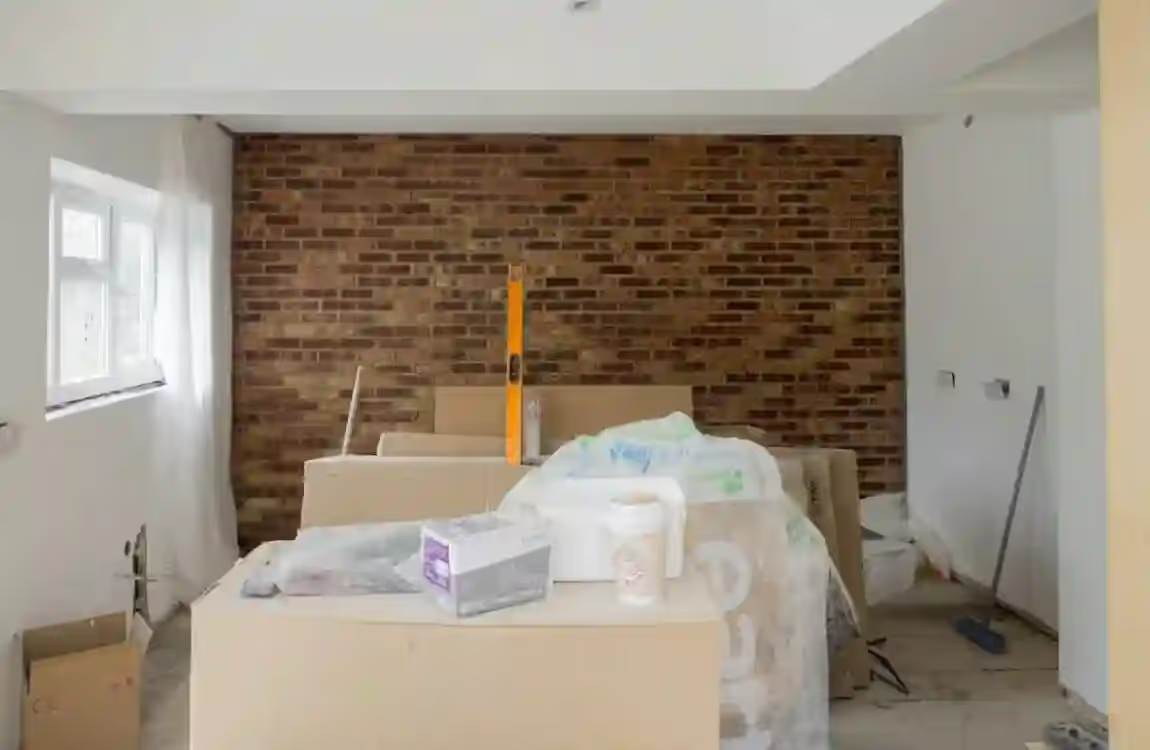
Dust represents the single most pervasive complaint homeowners voice during and after renovation projects. It infiltrates every crevice, settles on every surface, and persists long after construction crews depart. The fine particulate matter generated by demolition, cutting, sanding, and finishing work possesses an almost supernatural ability to penetrate spaces that seem completely sealed from the work zone. Effective dust control requires a multi-layered defense strategy implemented before work begins and maintained vigilantly throughout the project duration.
The Environmental Protection Agency (EPA) maintains strict guidelines for dust control during renovation work, particularly in homes built before 1978 that may contain lead-based paint. The Renovation, Repair and Painting (RRP) Rule requires certified contractors to use specific work practices that minimize dust creation and prevent it from leaving the work area. Even when lead is not a concern, these professional-grade containment strategies offer valuable templates for protecting your home from construction debris.
The importance of dust control extends beyond mere cleanliness. Construction dust can aggravate allergies and asthma, creating genuine health concerns for family members with respiratory sensitivities. Homes built before 1978 may contain lead-based paint, which when disturbed releases toxic particles that pose serious health risks, particularly to children under six years old. The EPA's lead safety guidelines emphasize that any contractor disturbing painted surfaces in pre-1978 homes must be certified and must follow specific containment and cleanup protocols. Homeowners should always verify contractor certification when lead exposure is possible.
Construction sites and young family members exist in fundamental incompatibility. The American Academy of Pediatrics emphasizes that keeping children safe during home renovations requires extra thought and planning beyond obvious common-sense measures. Children are naturally curious about new people and things in their home, making them prone to wandering into restricted areas, touching unfamiliar equipment, and exploring spaces that pose genuine danger. Contractors moving in and out may inadvertently leave doors open, creating opportunities for young children to slip outside unsupervised.
The safety risks presented by active renovation sites are numerous and serious. Power tools left unattended, uncovered electrical sockets, sharp edges, stray nails, chemical compounds, and unstable structural elements all pose threats to children who lack the judgment to recognize and avoid hazards. Beyond immediate physical dangers, renovation environments expose children to noise levels that can damage hearing, dust that aggravates respiratory conditions, and chemical off-gassing from new materials. The U.S. Consumer Product Safety Commission (CPSC) provides extensive guidance on childproofing homes, and these principles become even more critical during construction periods when normal safety systems may be compromised.
The scope of your renovation should determine relocation strategy. For minor projects affecting single rooms, establishing a renovation-free zone within the home may suffice. More extensive work, particularly kitchen or bathroom remodels that compromise essential functions, often warrants temporary relocation to spare bedrooms, basement spaces converted for the purpose, or staying with family members who can accommodate your household. Pet owners should consider professional boarding, dog daycare services, or arrangements with friends who can provide foster care during the most disruptive project phases. Crate training combined with sound-dampening measures can help dogs cope with noise when full relocation is impossible.
Homeowners consistently underestimate the magnitude of disruption that accompanies a significant home remodel. The fantasy of minor inconvenience gives way quickly to the reality of compromised utilities, inaccessible rooms, and daily routines utterly derailed. Those who thrive during renovation are those who anticipate this disruption and establish alternative systems before construction begins. Temporary living arrangements transform renovation from an ordeal into a manageable chapter of domestic life.
Kitchen renovations present the most significant logistical challenges for families remaining in residence during construction. The kitchen serves as the nutritional heart of the home, and its absence creates daily meals preparation crises unless alternatives exist. Establishing a temporary kitchen station in another area of the house before demolition begins preserves your ability to prepare food throughout the project. This station should include a microwave, toaster oven or hot plate, mini refrigerator if your main refrigerator will be inaccessible, basic cookware, dishes, and utensils. Position this temporary kitchen near a water source if possible, and stock it with shelf-stable foods, paper products, and cleaning supplies before construction starts.
Similar forward planning applies to other essential household functions. If your laundry area falls within the renovation zone, investigate laundromat locations or arrange temporary use of facilities at a friend's home. Bathroom renovations may require creative scheduling among family members or temporary arrangements with neighbors. Plumbing work often necessitates planned water shutoffs, making advance preparation of drinking water reserves and filled bathtubs for flushing toilets prudent measures. Portable wardrobes or clothing racks can replace inaccessible closets, keeping daily garments accessible even when primary storage spaces are compromised.
The psychological benefit of maintaining routine during renovation cannot be overstated. When chaos surrounds you, pockets of normalcy preserve mental equilibrium. Designate at least one room as a construction-free sanctuary where family members can retreat from the noise, dust, and disorder. Stock this space with comfortable seating, entertainment options, and all daily essentials needed for relaxation and restoration. The investment in creating this refuge pays dividends in reduced stress and improved family morale throughout the project duration.
Major renovations frequently involve modifications to your home's essential infrastructure systems. Electrical upgrades, plumbing reconfiguration, and HVAC modifications require temporary shutoffs that can leave portions of your home without power, water, or climate control for extended periods. Understanding these requirements in advance and planning accordingly transforms potential crises into manageable inconveniences. The American Red Cross provides excellent guidance on preparing for power outages, and much of this advice applies directly to planned utility interruptions during renovation.
Communication with your contractor about scheduled utility interruptions should occur well before work begins. Professional home remodeling contractors will provide advance notice of planned shutoffs, but you should proactively request a complete schedule so you can plan accordingly. Coordinate with family members to ensure everyone understands when utilities will be unavailable and what alternatives exist during those periods.
The quality of communication between homeowners and contractors correlates directly with project success. Clear expectations established before work begins prevent misunderstandings that breed conflict during construction. A comprehensive pre-project meeting should address every logistical detail that might otherwise become a source of friction. This conversation represents your opportunity to assert preferences, establish boundaries, and create the framework for a productive working relationship.
Request a written plan from your home remodeling contractors documenting these agreements. Professional contractors expect such requests and provide written confirmation of logistical arrangements as standard practice. This documentation protects both parties by creating a clear reference point should questions arise during construction. Additionally, establish a communication protocol specifying who serves as primary contact, preferred methods for routine updates versus urgent issues, and scheduled check-in times for project status discussions.
The physical infrastructure of your home faces assault from multiple directions during renovation. Heavy equipment, toolboxes dragged across surfaces, material deliveries bumped through doorways, and the simple accumulation of foot traffic all threaten floors, walls, trim, and finishes outside the intended project scope. Proactive protection of these surfaces represents a crucial component of any pre-renovation home checklist. The modest investment in protective materials returns substantial savings by preventing damage that would otherwise require repair or replacement.
Resources from major home improvement retailers like Lowe's and Home Depot provide comprehensive guidance on floor protection products suitable for various renovation scenarios. Many contractors supply basic protection materials as standard practice, but homeowners should confirm this in advance and supplement as necessary. Remember that protection needs extend beyond the immediate work zone to encompass all traffic paths between exterior access points and the project area.
The installation timing of protective materials matters significantly. Ideally, protection should be in place before any construction activity begins, including initial demolition. Some homeowners make the mistake of waiting until after rough work is complete to protect surfaces, but this approach invites damage during the most physically intensive project phases. Coordinate with your contractor to ensure protection installation occurs as one of the first project activities, before heavy equipment arrives or demolition commences. This proactive approach prevents the regret of discovering scratched hardwood or dented trim when it is too late to undo the damage.
Wall protection often receives less attention than floor protection but deserves similar consideration, particularly in hallways and doorways through which materials and equipment will pass. Adhesive-backed padding designed for corner and edge protection prevents the gouges and scratches that commonly occur when workers carry large items through confined spaces. Temporary wall panels can shield high-value finishes like custom millwork or recently painted surfaces from the inevitable bumps and scrapes of active construction. The modest investment in these protective measures typically costs a small fraction of the repair expenses they prevent.
Renovation preparation extends beyond physical organization to encompass the essential documentation that protects your investment and ensures legal compliance. The paperwork dimension of project preparation may lack the tangible satisfaction of clearing clutter or installing dust barriers, but its importance cannot be overstated. Skipping these verification steps can jeopardize safety, void warranties, create liability exposure, and even render your renovation illegal in the eyes of local authorities.
The U.S. Small Business Administration provides resources on evaluating contractor credentials and protecting yourself when hiring service providers. Professional home remodeling contractors expect these verification requests and respond with complete documentation promptly. Reluctance to provide licensing, insurance, or permit information should raise immediate red flags about contractor legitimacy.
Even the most meticulously planned home remodel generates stress that no amount of physical preparation can entirely eliminate. Research indicates that nearly 70% of homeowners experience significant stress during renovation projects, with impacts extending to daily life satisfaction and overall well-being. The American Psychological Association identifies prolonged exposure to noise, uncertainty, and disrupted routines as significant psychological stressors, and renovation combines all three in sustained doses. Acknowledging this reality and developing coping strategies before construction begins represents an often-overlooked dimension of effective preparation.
Communication within your household about shared expectations can prevent renovation stress from damaging family relationships. Discuss in advance how decisions will be made when options arise, how conflicts will be resolved, and how each family member can contribute to maintaining household function during construction. Families who approach renovation as a shared challenge to overcome together generally report better experiences than those where one member bears disproportionate burden for management and decision-making.

This comprehensive checklist consolidates all home upgrade preparation tips discussed throughout this guide into a single reference document. Print this list and work through each item systematically in the weeks before your home remodeling contractors arrive. Completing these tasks transforms you from a passive observer of construction chaos into an active partner in project success. Construction activity extends its impact beyond your property lines, affecting neighbors through noise, traffic, dust, and visual disruption. Proactive communication with surrounding residents before work begins demonstrates consideration that preserves relationships and prevents conflicts during the stressful renovation period. The time invested in neighbor outreach represents a small effort that yields substantial goodwill and can prevent complaints to local authorities that might complicate your project.
A brief conversation or written notice to immediate neighbors should occur at least one week before construction begins. This communication should include the approximate project scope, expected duration, typical working hours, and contact information for reaching you should problems arise. If particularly noisy or disruptive phases are anticipated, such as concrete demolition or roofing work, providing advance warning of those specific dates allows neighbors to plan accordingly. Some homeowners find that offering neighbors a small token of appreciation, whether a gift card or an advance apology for inconvenience, helps establish a foundation of goodwill that sustains relationships through inevitable annoyances.
Throughout the project, remain attentive to neighbor concerns and responsive to complaints. Construction that blocks driveways, generates excessive dust that crosses property lines, or violates noise ordinance hours can create lasting friction with people you will continue living beside long after contractors depart. Establish clear expectations with your construction team about respecting neighboring properties and responding appropriately to any neighbor interactions. Your reputation in the community extends beyond the renovation period, and the manner in which you navigate construction's neighborly challenges contributes to your standing in the area.
Effective preparation follows a logical sequence that builds toward construction day. Understanding this timeline helps homeowners pace their efforts appropriately rather than attempting everything in a last-minute rush. The systematic approach prevents overwhelm while ensuring no critical tasks are overlooked in the flurry of pre-construction activity.
Four to Six Weeks Before Construction: Begin the documentation and verification phase. Confirm all contractor credentials, insurance coverage, and permit status. Review the project scope and timeline in detail with your contractor. Begin decluttering and organizing items for removal. Research storage solutions and temporary living arrangements if needed. Schedule any off-site storage delivery or rental.
Two to Three Weeks Before Construction: Execute major preparations. Remove and store or relocate valuable items, artwork, and fragile decor. Notify neighbors of upcoming construction. Finalize temporary living space arrangements including alternative kitchen setup. Purchase dust control materials and floor protection products. Coordinate pet care arrangements if boarding or relocation is needed.
One Week Before Construction: Complete final preparations. Install dust barriers and seal HVAC vents. Apply floor and wall protection. Clear all items from the work zone and traffic pathways. Stock your renovation-free sanctuary zone. Prepare water reserves if plumbing work is anticipated. Ensure all communication protocols with contractors are confirmed.
Day Before Construction: Conduct a final walkthrough. Verify all barriers are properly sealed. Confirm access arrangements with contractors. Ensure parking and dumpster placement are coordinated. Take final photographs of protected areas for documentation. Brief family members on construction day protocols and safety rules.
The weeks you invest in preparation before your renovation begins represent perhaps the highest-value time expenditure of the entire project. Every hour spent decluttering, protecting surfaces, establishing temporary systems, and coordinating with contractors returns multiplied benefits in reduced stress, prevented damage, accelerated timelines, and improved outcomes. The difference between homeowners who describe their renovation experiences as manageable versus those who characterize them as ordeals correlates directly with the thoroughness of their pre-work preparation.
Understanding how to prepare your home for renovation transforms you from a passive recipient of construction chaos into an active participant in project success. You become a better partner to your home remodeling contractors when you have eliminated obstacles to their efficiency. You protect your family better when you have addressed safety concerns proactively. You preserve your possessions more effectively when you have removed or protected them before risk materializes. You maintain your sanity more successfully when you have established systems for coping with disruption before it arrives.
The NAHB reports that homeowners are increasingly choosing to invest in improving their existing homes rather than relocating, driven by aging housing stock, record home equity levels, and evolving lifestyle needs. This trend means more American families will navigate renovation in coming years than ever before. Armed with comprehensive home renovation advice and a systematic approach to getting ready for remodeling contractors, you join this growing community from a position of knowledge and preparation rather than vulnerability and anxiety.
View preparation not as an additional burden added to an already demanding project but as an investment in the success of your home upgrade. The foundation you lay through thorough preparation supports everything that follows: smoother communication, safer worksites, protected belongings, functional daily life, and ultimately, the beautiful transformed space that motivated your renovation in the first place. When your home remodeling contractors arrive to find a cleared, protected, organized environment with all documentation in order and all logistics pre-coordinated, you signal that you are a serious partner in a professional undertaking. That signal establishes the tone for everything that follows.
Your dream home awaits on the other side of renovation. Proper preparation ensures you reach it with your possessions intact, your family relationships preserved, your budget respected, and your sanity maintained. The chaos of construction is temporary. The results of thoughtful preparation endure long after the dust settles and the contractors depart.
National Association of Home Builders - Consumer Resources - Tips on finding professional remodelers and understanding the renovation process
EPA Lead Renovation, Repair and Painting Program - Essential information for homeowners renovating pre-1978 properties
American Academy of Pediatrics - Keeping Kids Safe During Renovations - Child safety guidance from pediatric health experts
U.S. Consumer Product Safety Commission - Home safety resources and childproofing guidance
American Red Cross - Power Outage Preparedness - Guidance applicable to planned utility interruptions during renovation
The Spruce - Home Organization Resources - Decluttering strategies and organizational guidance
American Psychological Association - Stress Management - Mental health resources for managing renovation-related stress
DECEMBER 01, 2025
NOVEMBER 28, 2025
NOVEMBER 28, 2025
NOVEMBER 28, 2025
NOVEMBER 28, 2025