

Why Renovation Fatigue Is Real — and How to Recover From It
DECEMBER 01, 2025
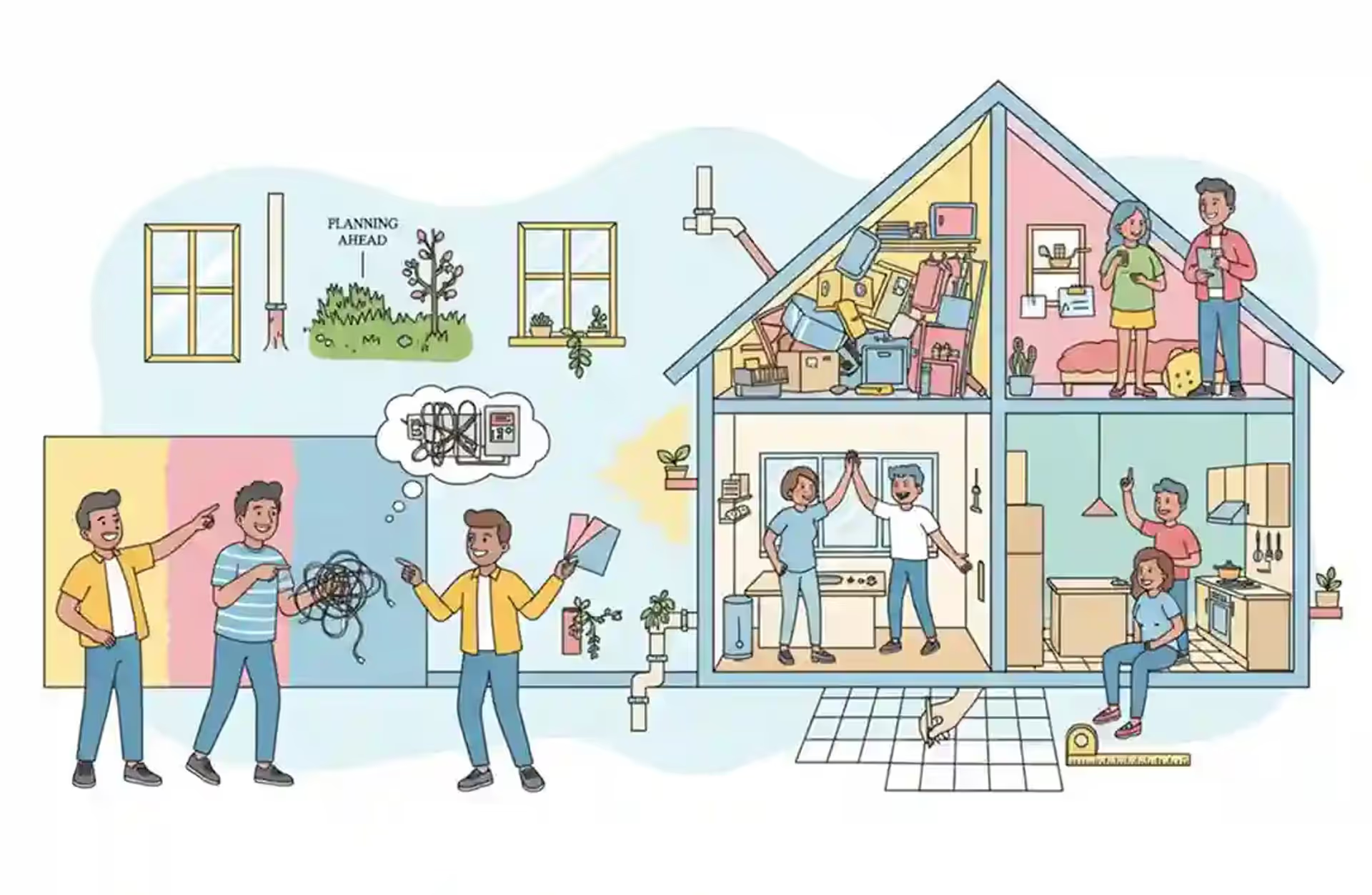
A young couple tears down walls to create an open-concept living space, only to discover the kitchen noise echoes unbearably throughout their home. A family installs pristine white marble countertops, watching in horror as red wine stains become permanent art pieces within weeks. A homeowner saves thousands by hiring an unlicensed contractor, then spends triple that amount fixing shoddy electrical work that nearly caused a fire. These aren't nightmares—they're the all-too-common reality of renovation regret, where ambitious dreams collide with harsh lessons learned too late. Understanding these pitfalls before you swing that first sledgehammer can transform your renovation from a cautionary tale into a success story worth celebrating.
Home renovation projects represent one of the most significant investments you'll make beyond purchasing the property itself. The excitement of transforming a dated kitchen into a chef's paradise or converting a cramped bathroom into a spa-like retreat often clouds judgment, leading to decisions that seem brilliant in the moment but prove costly in hindsight. According to research from Clever Real Estate, 74% of homeowners who remodeled have regrets about their renovation, with 24% regretting spending too much money and 22% disappointed by how long the project took. These regrets range from minor aesthetic disappointments to catastrophic financial mistakes that take years to recover from.
The psychological pressure of renovation decisions compounds the problem—when you're living in dust, eating takeout for months, and watching your savings evaporate, it's easy to make rushed choices that prioritize short-term relief over long-term satisfaction. The same research shows that 89% of Gen Z and 82% of millennials have renovation regrets, compared to just 51% of boomers, suggesting that inexperience and perhaps social media pressure contribute significantly to poor decision-making. This comprehensive guide examines the most frequently reported renovation regrets across thousands of homeowner experiences, providing you with the foresight to avoid these common traps. From budget miscalculations that derail dreams to design choices that damage resale value, we'll explore what homeowners wish they'd known before breaking ground, complete with actionable strategies to ensure your renovation becomes a source of pride rather than persistent disappointment.
Underestimating total project costs tops every list of renovation regrets, with homeowners routinely reporting they spent 30-50% more than initially planned. Research indicates that 78% of homeowners went over budget on their last renovation project, with 44% exceeding their budget by at least $5,000 and 35% exceeding it by $10,000 or more. This happens because initial estimates typically include only materials and labor, while forgetting permits, design fees, temporary housing, utility adjustments, and those inevitable "while we're at it" additions that multiply exponentially once work begins. The excitement of planning causes selective blindness toward potential complications, creating a psychological trap where optimism overrides realistic assessment. Many homeowners admit they accepted the lowest bid without reading the fine print, discovering later that essential elements like disposal fees, cleanup, or basic materials were excluded, turning their "bargain" into a budget nightmare.
The contingency fund represents the most commonly ignored financial safety net, with homeowners rationalizing that careful planning eliminates the need for extra money. Industry experts consistently recommend setting aside 20% of your total budget for unexpected issues, yet less than 30% of homeowners actually follow this advice. When contractors discover rotted subflooring, outdated wiring that can't support modern appliances, or structural issues hidden behind walls, projects grind to a halt while homeowners scramble for financing. These mid-project cash crunches often force compromises on finishes and fixtures, creating a cascade of disappointment that permanently mars the final result. The Remodeling Cost vs. Value Report can help you understand realistic costs and returns before you start, anchoring expectations in data rather than wishful thinking.
Financing through high-interest credit cards or personal loans creates long-term financial strain that overshadows renovation satisfaction. Nearly two-thirds of homeowners (63%) have gone into debt to pay for a renovation, and among those who borrowed money, 36% struggled to pay credit card bills afterward. Many homeowners tap into available credit without calculating the true cost of interest payments over time, turning a $25,000 renovation into a $40,000 expense. Others cash out retirement accounts, incurring penalties and tax consequences that compound the damage. The wisest approach involves saving for renovations in advance, using low-interest home equity products, or choosing smaller projects that fit available cash flow. The regret of debt-fueled renovations lingers for years, transforming what should be daily enjoyment into a reminder of financial overextension.
Open-concept fever has created one of the most widespread renovation regrets, with homeowners demolishing walls only to discover that separate rooms served important purposes. The visual spaciousness initially feels liberating, but the acoustic nightmare becomes unbearable when cooking noises invade living areas, when smells permeate every corner, and when cluttered kitchen counters remain constantly visible to guests. Parents lament the inability to contain children's play messes, and remote workers struggle with noise pollution during video calls. The trend promised connection but delivered chaos, with many homeowners now spending additional funds to partially rebuild walls or install glass dividers that restore some separation while maintaining sightlines. According to Reader's Digest renovation experts, converting entirely open spaces without considering practical implications remains one of the most regretted decisions homeowners make.
Poor workflow planning haunts kitchen renovations more than any other room, with homeowners placing appliances and workstations without understanding the classic work triangle concept that places sink, stove, and refrigerator within efficient reach. According to the National Kitchen & Bath Association guidelines, in a kitchen with three work centers, the sum of the distances between them should total no more than 26 feet, with no single leg of the triangle measuring less than 4 feet nor more than 9 feet. Rookie mistakes include installing dishwashers far from dish storage, creating islands that block traffic flow, and positioning refrigerators where doors open into main walkways. These errors force thousands of extra steps over years of cooking, creating silent frustration that accumulates daily.
Lighting represents another planning disaster zone, with homeowners installing insufficient fixtures or choosing ambient lighting where task lighting proves essential. The Instagram-worthy pendant lights that look stunning in photos cast shadows directly over food preparation areas, making cooking dangerous and frustrating. Bathrooms with beautiful sconces leave users squinting at their reflection because overhead lighting was eliminated for aesthetic reasons. The regret intensifies when homeowners realize that adding lighting post-renovation requires cutting into freshly painted walls and ceilings, creating dust and expense that proper planning would have prevented. Layered lighting schemes that combine ambient, task, and accent illumination must be designed before drywall goes up, and consulting with a lighting designer or experienced contractor during the planning phase costs far less than retrofitting fixtures after completion.
Storage miscalculations destroy functionality in otherwise beautiful spaces, with homeowners seduced by minimalism and clean lines only to discover that real life requires places to hide vacuum cleaners, stash seasonal items, and store the inevitable accumulation of daily living. The regret peaks approximately six months after completion, when the pristine emptiness that initially thrilled gives way to cluttered counters and overflowing closets because the renovation eliminated storage in favor of aesthetics. Smart planners incorporate hidden storage solutions, maximize vertical space, and maintain dedicated utility areas that keep functional items accessible but invisible. The storage planning resources available through home improvement sites offer countless strategies for maintaining beauty without sacrificing practicality.
Hiring based solely on lowest bid consistently ranks as homeowners' biggest contractor-related regret, with the initial savings evaporating through change orders, substandard work requiring correction, and project delays that increase indirect costs. The lowest bidder typically achieves their price by omitting essential items from the quote, using inexperienced labor, or cutting corners on materials and inspections. According to HouseLogic's contractor hiring guide, homeowners report that the "savings" often translates to paying twice—once for the cheap work, then again for a reputable contractor to fix the mistakes. The stress of managing a contractor who disappears for days, shows up late, or communicates poorly destroys the excitement of renovation and creates ongoing conflict that poisons the entire experience.
Failing to verify licenses, insurance, and bonding creates catastrophic financial risk when uninsured workers get injured on your property or unlicensed electrical work causes fires that insurance companies refuse to cover. Many homeowners skip this verification in their haste to start projects, only to discover their contractor's credentials were fraudulent when problems arise. The Better Business Bureau provides verification tools and dispute resolution records that take minutes to use but save years of potential liability. This simple due diligence step separates smooth projects from nightmares that end in litigation.
Vague contracts that lack detailed scopes of work, payment schedules tied to milestones, and clear timelines create the perfect conditions for disputes and disappointment. Homeowners regret signing generic proposals with phrases like "install new kitchen" without specifying exact materials, brands, model numbers, and installation standards. This ambiguity allows contractors to substitute inferior products, claim certain tasks "weren't included," and demand additional payments for work you assumed was part of the original price. The most successful projects use contracts so detailed they include cabinet hinge types, grout color specifications, and precise measurements for every element, eliminating interpretation disagreements that poison relationships and inflate costs.
Poor communication protocols destroy trust and create expensive misunderstandings when homeowners assume daily updates but contractors communicate weekly, or when homeowners text questions that get lost while contractors prefer email documentation. Establishing clear communication expectations before signing—how often you'll meet, preferred contact methods, response timeframes for questions—prevents the frustration of feeling ignored while contractors believe they're managing appropriately. The best relationships treat renovation as collaborative partnership where both parties understand their roles, responsibilities, and communication preferences from day one. This proactive approach to establishing communication norms prevents the slow erosion of trust that poisons projects and leads to adversarial relationships by completion time. The importance of written documentation cannot be overstated throughout the renovation process, as every change, every discussion, and every decision should be recorded in emails or written notes that both parties acknowledge.

Choosing trendy over timeless represents a regret that surfaces approximately 3-5 years post-renovation, when that bold patterned tile or ultra-dark cabinet finish feels dated and limits resale appeal. Homeowners report that bold design choices which earned Instagram likes initially become visual burdens they tire of quickly, while neutral foundations with interchangeable accent pieces provide longevity. According to HomeLight's renovation research, following design trends without considering personal preferences and long-term satisfaction leads to spaces that feel outdated before their time. The avocado green appliances and harvest gold fixtures of the 1970s seemed modern once, and today's aggressive grayscale and geometric patterns will likely suffer the same fate. Classic subway tile, natural wood tones, and white or cream cabinetry have endured for decades precisely because they provide versatile backdrops that accommodate changing tastes through easily updated accessories.
Prioritizing aesthetics over durability creates constant frustration when surfaces that looked stunning on installation day show scratches, stains, and wear within months. Soft marble countertops etch from lemon juice, porous grout absorbs grease permanently, and hand-scraped wood floors show every dent from dropped utensils. The regret intensifies when homeowners realize that durable, low-maintenance materials like quartz, porcelain tiles, and engineered hardwood offer nearly identical visual appeal without the fragility. Understanding your family's actual lifestyle—messy cooking, active children, pets with claws—should drive material selection rather than magazine inspiration photos shot in pristine, uninhabited spaces.
Sourcing incompatible materials that don't coordinate creates visual chaos when homeowners fall in love with individual pieces—a spectacular backsplash tile, unique cabinet hardware, distinctive lighting fixtures—without confirming they harmonize in the same space. The result feels like a design committee couldn't agree, with competing styles, finishes, and scales fighting for attention rather than creating cohesive beauty. The most harmonious spaces use a limited palette of materials repeated throughout, with one or two statement pieces rather than every element screaming for focus. Creating physical mood boards or using digital design tools to visualize all materials together prevents this expensive mismatch that becomes permanent once installed.
Ignoring maintenance requirements when selecting materials leads to either constant cleaning battles or surfaces that degrade because homeowners won't perform necessary upkeep. High-gloss cabinet fronts show every fingerprint, textured tiles trap grime in their crevices, and natural stone demands periodic sealing that many homeowners skip, leading to permanent damage. The regret peaks when the time investment required for maintenance becomes clear, or when neglected maintenance voids warranties and causes premature failure. Choosing materials that fit your actual lifestyle—messy family, busy schedule, low tolerance for upkeep—proves far more important than choosing what looks perfect in a showroom display. The disconnect between showroom presentation and daily living reality catches countless homeowners off guard when their beautiful surfaces begin showing wear far sooner than anticipated.
Over-improving for the neighborhood creates the most expensive regret, with homeowners installing gourmet kitchens and luxury bathrooms in modest areas where comparable homes lack such upgrades. While they enjoy their beautiful spaces, appraisal values refuse to match the investment because market comps don't support the premium, and potential buyers won't pay extra for a home that towers above neighborhood standards. Financial advisors call this "losing money through pride," where personal satisfaction blinds homeowners to economic reality. The Cost vs. Value Report shows that midrange renovations in appropriate neighborhoods typically recoup 60-70% of costs, while luxury upgrades in modest areas recover less than 40%.
Eliminating bedrooms ranks among the most damaging resale mistakes, with homeowners converting three-bedroom homes into two-bedroom open spaces to create larger master suites or home offices. While this serves immediate needs, it permanently reduces buyer pool and property value since most families require three bedrooms minimum. The regret becomes acute when job transfers force relocation, and real estate agents explain that the renovation reduced home value by $50,000 or more. Keeping bedroom counts intact while improving interior layouts preserves both functionality and future marketability.
Garage conversions trigger immediate buyer resistance despite creating valuable living space, because buyers prioritize vehicle protection and storage over additional square footage. According to Family Handyman garage conversion analysis, the converted garage that serves as your perfect home gym or guest suite becomes a deal-breaker for families who see only the absence of covered parking and storage for bicycles, lawn equipment, and seasonal items. Many homeowners report that their conversion reduced showings by 50% and forced price reductions that exceeded the renovation cost. If you must convert a garage, design it to be easily reversible, preserving the garage door and structure for future owners.
Underestimating timeline disruption destroys mental health when homeowners expect 6-week projects that stretch into 6-month ordeals. According to HuffPost relationship experts, a Houzz survey found that 12 percent of couples considered divorce during the remodeling process. The constant dust, noise, and inability to use essential rooms creates family stress that damages relationships and work performance. Many homeowners report that timeline extensions caused more regret than budget overruns because the psychic toll of living in construction zones proves unbearable. Contractors' optimistic estimates rarely account for material delays, weather issues, or the cascading effect of one subcontractor's schedule change on all subsequent work. Building realistic expectations—then adding 30% padding—prevents the emotional devastation of missed deadlines.
The relationship strain of renovation extends far beyond scheduling inconveniences. According to Psychology Today's analysis of renovation conflicts, four of the most common conflicts that emerge during renovations are conflicts about control, money, taste, and different ways of managing anxiety. Cracks in the relationship often come to the surface as soon as the project begins, revealing underlying problems that the stress of renovation amplifies. Couples who communicate well before and during projects, establishing clear decision-making protocols and designating specific areas of responsibility, fare significantly better than those who assume agreement will emerge naturally from shared enthusiasm.
Not planning for pet and child safety during renovation creates dangerous situations and constant anxiety. Dust containing lead paint or silica poses serious health risks to developing bodies, power tools left unattended tempt curious children, and open doorways allow pets to escape. Homeowners who didn't arrange off-site care or establish secure zones report constant fear and near-miss accidents that could have caused tragedy. The relatively small cost of boarding pets or sending children to grandparents for critical phases provides peace of mind that proves invaluable. The EPA's renovation guidelines provide specific containment strategies that protect both your family and your property during construction.
Overestimating skill level creates the most predictable DIY regret, with homeowners tackling plumbing, electrical, or structural work based on YouTube confidence rather than actual competence. According to the National Kitchen & Bath Association, 27% of American DIYers already have regrets about their pandemic-era projects. Watching a 15-minute video doesn't replace years of apprenticeship training, and the mistakes become visible immediately—crooked tile lines, leaky pipes behind walls, or electrical work that fails inspection and must be completely redone by licensed professionals. The cost of fixing DIY errors typically exceeds what professionals would have charged originally, not including the value of wasted time and materials. Worse, unpermitted DIY work discovered during resale can kill deals or require expensive post-sale remediation that becomes a legal nightmare.
Ignoring code requirements creates dangerous situations and legal liabilities that homeowners don't discover until attempting to sell or experiencing insurance claims. That "simple" wall removal might be structural, the new bathroom exhaust fan may require dedicated circuits, and any plumbing changes typically need permits and inspections. According to Family Handyman's permit guide, even seemingly minor projects like basement remodels, deck construction, and some electrical work require permits in most jurisdictions. The modest permit fee and professional oversight cost far less than potential disasters or legal consequences.
Time miscalculations destroy DIY enthusiasm when projects that were supposed to take weekends stretch into months of incomplete chaos. Homeowners calculate active work time but forget material procurement delays, learning curves for each new skill, cleanup between work sessions, and the mental fatigue that requires breaks. A professional crew that completes a bathroom in one week might take a DIYer six months of weekends, during which the household endures prolonged disruption. According to Bob Vila's permit analysis, consequences of unpermitted work include fines up to $1,000 or more, difficulty selling your property, and in some cases, being required to demolish the work entirely. Honest assessment of your actual available time, factoring in learning periods and inevitable setbacks, prevents the burnout that causes half-finished projects to remain untouched for years.
The hidden cost of DIY mistakes extends beyond immediate repair needs to impact resale value, insurance claims, and personal safety. Home inspectors use thermal imaging and moisture meters that detect shoddy work invisible to the eye, and their reports become negotiation tools for buyers who demand price reductions for unprofessional work. Insurance adjusters deny claims for fires or water damage when they discover non-code-compliant DIY electrical or plumbing caused the problem. Most devastatingly, improperly secured fixtures, structural modifications, or gas line work can cause serious injury or death. The temptation to save money through DIY work must be weighed against these substantial risks that far exceed the cost of professional installation for critical systems.
Highly personalized spaces like wine cellars, darkrooms, or built-in aquariums limit appeal to niche buyers, often requiring expensive removal before sale. Homeowners rationalize these choices based on passionate hobbies, but life changes render many of these spaces obsolete within 5-10 years, leaving buyers facing demolition costs. The wine enthusiast who installed a temperature-controlled cellar regrets it when health issues require sobriety, and the photography darkroom becomes wasted space in the digital age. Designing flexible spaces that can adapt to different uses preserves both personal enjoyment and resale potential while avoiding the permanent commitment that specialty rooms demand.

While flashy kitchen renovations and spa-like bathrooms capture attention, energy efficiency improvements often deliver superior returns with less risk. According to the U.S. Department of Energy, properly insulating your home not only reduces heating and cooling costs but also improves comfort year-round. The R-value of insulation measures its thermal resistance—the higher the R-value, the greater the insulating effectiveness—and choosing appropriate insulation levels for your climate zone can reduce heating and cooling costs by 30% or more. These improvements lack the visual drama of a remodeled kitchen but deliver financial returns that compound annually through reduced utility bills.
The Energy Star program provides region-specific recommendations for insulation R-values, helping homeowners make informed decisions about where improvements will have the greatest impact. Attic insulation typically offers the best return because heat rises and escapes most easily through poorly insulated upper spaces. Window replacements, while more expensive, can qualify for federal tax credits that offset installation costs while providing immediate comfort improvements through reduced drafts and noise transmission. The key is prioritizing efficiency upgrades that address your home's specific weaknesses rather than pursuing improvements that look good on paper but don't address your actual energy loss patterns.
Conducting a thorough walk-through before making final payments prevents the regret of discovering incomplete work, poor finishes, or missing details after contractors have moved on. Create a comprehensive punch list covering every element, testing every outlet, running every faucet, opening every cabinet, and examining every surface in natural and artificial light. The punch list templates available online provide systematic frameworks that ensure nothing gets overlooked, from ensuring doors latch properly to verifying paint coverage in corners and trim alignment throughout.
Verify permit sign-offs and final inspections before releasing the last payment, as unpermitted work becomes your liability and can complicate future sales. Require contractors to provide lien waivers from all subcontractors and suppliers, protecting you from surprise claims against your property for unpaid bills. Many homeowners skip these administrative final steps in their eagerness to complete projects, only to face legal headaches years later that could have been prevented with proper documentation.
Test every system—HVAC, plumbing, electrical—under realistic conditions before signing off, running water simultaneously in multiple fixtures, heating and cooling the space to extreme temperatures, and operating all appliances simultaneously. This stress testing reveals problems that intermittent use during final days might mask. Schedule the walk-through during daylight hours when natural light exposes finish flaws, and take photos of any deficiencies with date stamps that create clear records for correction demands.
Build a warranty file containing all product manuals, warranty cards, contractor contact information, paint formulas, and photos of installed systems before walls get sealed and access becomes impossible. Plan a one-year follow-up inspection with your contractor to address any issues that emerge after settling, such as cracks from normal house movement or fixture adjustments needed after break-in periods.
The organized homeowner who maintains comprehensive documentation avoids the frustration of hunting for information when problems arise, while those who skip this step waste hours searching for details that should have been preserved from day one. This documentation proves invaluable when fixtures need repair, touch-up paint is required, or future renovations need to understand what's behind finished surfaces. The relatively small investment of time in creating organized records pays dividends throughout your ownership of the home and simplifies the process when you eventually decide to sell and need to provide disclosure documentation to potential buyers.
Renovation regret doesn't have to be your story. By learning from the thousands of homeowners who've navigated these projects before you, each mistake becomes a gift of foresight rather than a personal failure. The couples who blew budgets, the families who chose trendy over timeless, the DIYers who learned their limits—their experiences illuminate the path toward renovation success if you're willing to listen. The statistics are sobering: 74% of homeowners have renovation regrets, but understanding why they regret their choices gives you the power to avoid repeating their mistakes.
Your renovation journey will test your patience, your relationships, and your decision-making under pressure. According to Houzz research on renovation relationships, couples who communicate well and establish decision-making protocols before starting often emerge with stronger relationships, having proven they can weather significant stress together. Armed with realistic budgets, thorough planning, vetted contractors, timeless materials, and appropriate DIY humility, you can transform your home while preserving your sanity and financial health. The key lies not in achieving perfection but in avoiding the predictable pitfalls that turn dreams into disasters.
Start your project with eyes wide open to potential challenges, maintain flexibility when surprises inevitably arise, and remember that the goal is creating a home that serves your life—not one that dominates it with stress and regret. Your future self, living happily in a well-executed space that respects both your vision and your wallet, will thank you for the wisdom to plan properly and the courage to learn from others' mistakes rather than repeating them.
DECEMBER 01, 2025
DECEMBER 01, 2025
DECEMBER 01, 2025
NOVEMBER 28, 2025