

The Psychology of Color: How to Choose a Palette You Won't Regret
DECEMBER 01, 2025
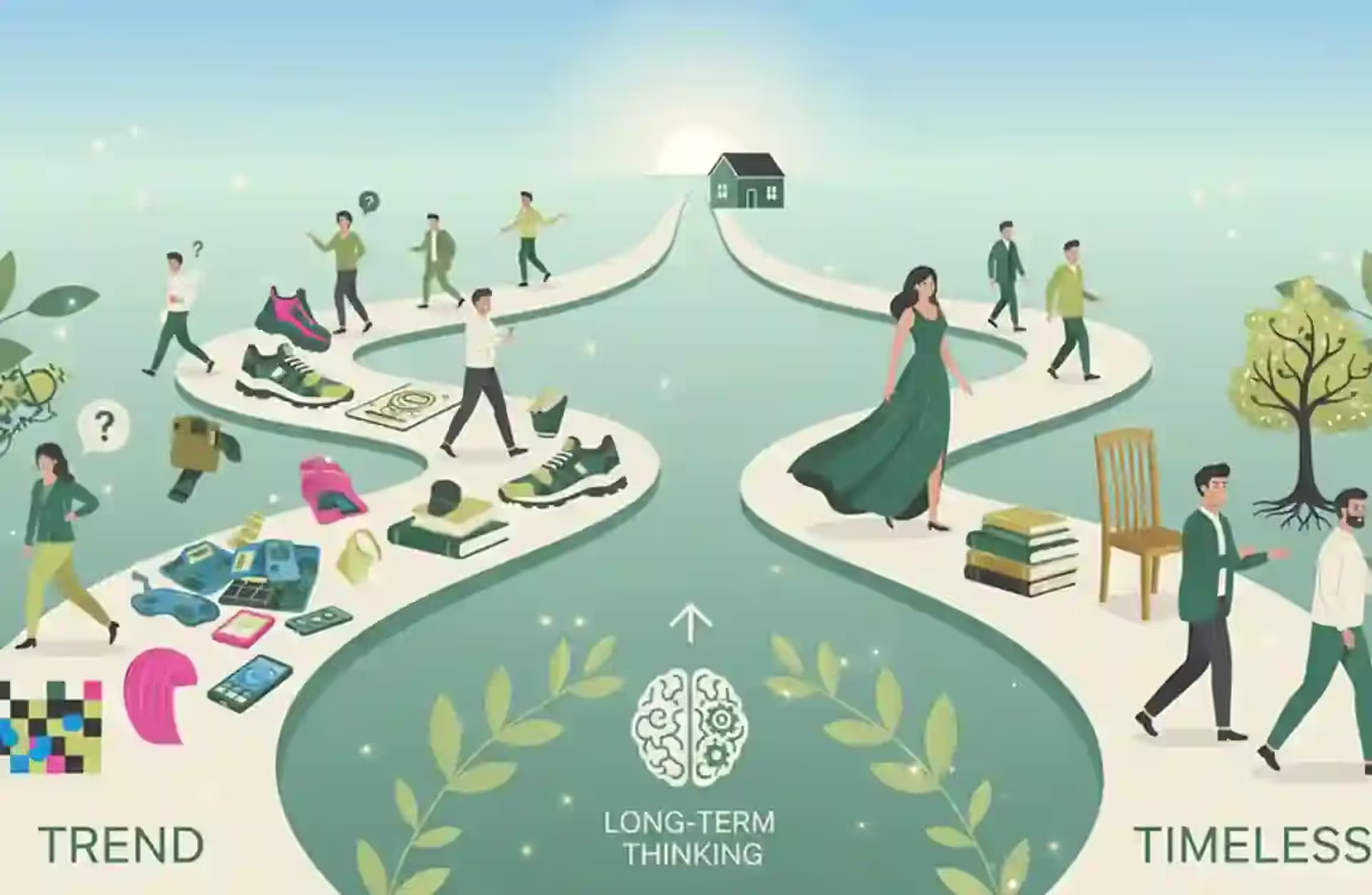
The rose gold fixtures that seemed so daring. The accent wall that consumed an entire weekend. The open shelving that looked pristine in magazine spreads but collects dust in reality. Five years after their renovation, homeowners across America share a common realization: the design choices that once sparked joy now trigger eye rolls. The difference between a home that grows more beloved over time and one that feels dated before the paint dries isn't budget or square footage—it's understanding which elements earn their place through lasting appeal versus fleeting fashion.
Design regret manifests in peculiar ways. That farmhouse shiplap now feels cliché. The barn door that saved space screeches like a haunted house. According to the Houzz & Home Study on renovation trends, a significant portion of homeowners who renovated within the past five years express dissatisfaction with at least one major design decision, with trendy finishes accounting for the majority of those regrets. The financial implications are substantial—the median spend on kitchen renovations alone has reached $24,000, making poor design choices increasingly costly to correct.
This comprehensive guide examines the psychology behind design choices that stand the test of time versus those that feel dated before the warranty expires. You'll discover how to identify genuinely timeless elements, balance current preferences with future flexibility, allocate budgets strategically across trend-proof and trendy items, and develop a decision framework that serves your home's long-term value and your daily satisfaction. The goal isn't to banish personality or avoid all trends—it's to invest where it matters and experiment where it doesn't.
Human brains are wired for novelty. When we scroll through design feeds saturated with olive-green kitchens or matte black fixtures, our neural reward centers activate. This dopamine hit creates an illusion that these choices will deliver lasting happiness. But neurochemistry doesn't distinguish between genuine preference and manufactured desire cultivated by algorithmic repetition. Research published in behavioral neuroscience journals demonstrates that dopamine directly modulates novelty-seeking behavior, driving us to explore new options even when familiar choices have proven satisfactory. This neurological tendency explains why we're drawn to the latest design trends despite perfectly functional existing elements in our homes.
Social proof amplifies this effect dramatically. When every design magazine showcases waterfall islands, our brains interpret ubiquity as validation. We assume mass adoption signals quality and longevity. In reality, trend cycles compress from decades to years as digital media accelerates exposure. What's fresh today becomes cliché tomorrow precisely because everyone adopted it simultaneously. The very popularity that makes a trend feel like a safe choice accelerates its demise—when everyone has the same look, it no longer feels distinctive or special, triggering the search for the next new thing.
Emotional decision-making during renovation stress exacerbates the problem significantly. Overwhelmed by thousands of choices across cabinets, countertops, flooring, fixtures, and finishes, homeowners gravitate toward whatever feels easiest to justify. Trends provide ready-made narratives: "It's what everyone's doing" becomes a proxy for "it's a good decision." This mental shortcut backfires catastrophically when the trend's lifecycle proves shorter than your cabinet warranty. The renovation process itself creates cognitive fatigue that undermines our ability to think long-term, pushing us toward decisions that feel right in the moment but generate regret within years.
Timeless design isn't about sterility or lacking personality. True timelessness emerges from proportions, material authenticity, and functional excellence that transcend stylistic movements. Shaker cabinets endure not because they're plain, but because their proportions derive from functional necessity—each element serves purpose without ornamentation for its own sake. Originating with the Shaker religious community in 18th-century America, these simple five-piece door designs have remained popular for over two centuries precisely because they're grounded in craftsmanship and utility rather than decorative trends. Their clean lines work equally well in traditional farmhouses and modern minimalist spaces.
Material authenticity forms the foundation of lasting design. Natural stone, hardwood, wool, linen, and real metal develop patina that enhances beauty over time. Engineered materials mimicking these surfaces often reveal their artifice as trends evolve. A marble countertop with etching tells a story of use and family life; a printed quartz pattern designed to look like marble may simply appear dated within a decade as the specific pattern falls out of fashion. The difference lies in how materials age—authentic materials improve with time while imitations deteriorate or look increasingly out of place as design sensibilities shift.
Proportional harmony matters far more than any specific style. Rooms with proper scale—ceiling height balanced with window size, furniture dimensions appropriate to space volume—feel correct regardless of decorative elements layered within them. These fundamentals derive from classical architecture principles that have guided beautiful buildings for millennia. A well-proportioned room holds up whether filled with mid-century modern furniture or traditional antiques because the underlying structure transcends any particular aesthetic movement. When the bones are right, surface treatments become secondary.
Functional clarity ensures longevity above all other considerations. Designs that solve real problems—ample storage that actually accommodates your belongings, good traffic flow that prevents bottlenecks, appropriate lighting for actual activities—remain relevant because they work. Trendy features often prioritize appearance over function, which becomes irritating long before aesthetic fatigue sets in. Open shelving looks Instagram-perfect until daily life reveals dust accumulation, visual clutter, and the mental burden of maintaining perfectly styled displays. Function-first thinking prevents the regret that comes from choosing appearance over utility.
Different spaces age differently based on function, visibility, and replacement cost. Kitchens, as the most expensive renovation, generate the most regret when trends turn sour. According to recent renovation data, kitchen projects remain among the top renovation priorities, with homeowners investing significantly more each year. Bathrooms follow closely due to daily use intensity and moisture challenges that accelerate wear on trendy finishes. Living areas offer more flexibility since furniture and accessories can refresh the space without structural changes or significant investment.
Kitchens demand the most conservative approach to trend adoption. Cabinetry represents 30-40% of kitchen budgets and should trend toward timeless for financial sanity. Shaker-style doors in white, cream, or natural wood tones have retained appeal for decades because their simplicity allows them to adapt to changing accessory trends. For countertops, white or gray marble-look quartz and classic granite patterns outlast bold statement stones that dominate Pinterest for a season before disappearing from design feeds. The investment magnitude demands choices that won't feel dated before you've finished paying for them.
Bathrooms require material durability alongside style considerations. Water and steam accelerate wear on trendy finishes far faster than dry environments. Matte black fixtures, while stunning initially, show water spots and fingerprints relentlessly, requiring daily maintenance to maintain their appeal. Brushed nickel or polished chrome maintain appearance with minimal attention, freeing you from the tyranny of constant cleaning. For tile, large-format rectified porcelain (24×24 inches or larger) creates a clean, seamless look that transcends specific styles while offering superior durability and easier maintenance than intricate mosaic patterns.
Living rooms and bedrooms offer safer experimentation territory where trend risks are lower. Paint color changes relatively cheaply—daring accent walls here make sense because correction costs remain manageable. Similarly, statement light fixtures can be swapped without major construction or significant expense. Invest in timeless flooring and window treatments that will serve for decades, then layer trends through easily replaced items like throw pillows, area rugs, artwork, and decorative objects. This approach allows stylistic evolution without expensive infrastructure changes.

Strategic budget allocation separates timeless renovations from regrettable ones. Invest 80% of your budget in permanent, expensive-to-change elements that should remain classic and serve you for decades. Use the remaining 20% for trendy expression that's easily and affordably updated as your tastes evolve or styles shift. This framework acknowledges that both timeless foundations and personal expression matter—the key is allocating each to appropriate elements based on permanence and replacement cost.
Splurge-worthy timeless elements include custom cabinet boxes with quality hinges and drawer glides—these mechanical components determine kitchen longevity far more than door styles or colors. Natural stone countertops that develop character over time rather than simply wearing out deserve investment. Solid hardwood flooring that can be refinished across multiple generations represents extraordinary long-term value—with proper care, hardwood floors can last 75 to 100 years and be refinished multiple times to remove damage or change appearance. Quality windows with classic divided-light patterns complete the list of elements worth maximum investment. These items cost more upfront but eliminate expensive replacement cycles that budget alternatives require.
Trend-friendly budget items encompass elements that install easily and cost relatively little to change. Light fixtures can be swapped in an hour with minimal electrical work, making them perfect canvases for trendy expression. Cabinet hardware represents perhaps the ultimate low-risk trend opportunity—a $200 investment in new pulls and knobs completely refreshes cabinet faces without touching the cabinets themselves. Paint colors remain the cheapest and most transformative element available, allowing bold experimentation with weekend correction possible. Backsplash tile in small quantities and faucets that install relatively easily round out the list of elements where trend experimentation makes sense.
The replacement cost filter helps decide where to save and where to splurge. If changing a trendy choice requires demolition, plumbing work, or electrical reconfiguration, lean timeless regardless of current preferences. If swapping it takes under an hour and costs less than $500, experiment freely without concern. This framework prevents locking expensive infrastructure to short-lived aesthetics while preserving opportunities for personal expression in areas where the stakes are lower.
Color trends cycle faster than any other design element, with paint companies announcing "Color of the Year" annually to generate publicity and drive sales. These selections influence consumer behavior but rarely stand the test of time. The 2018 obsession with Ultra Violet feels distinctly dated now, just as 2020's Classic Blue already seems like a period piece that marks renovations to a specific moment. Chasing color trends in permanent applications virtually guarantees eventual regret as the color's moment passes.
Timeless color palettes derive from nature and historical precedent rather than marketing cycles. Warm whites like Benjamin Moore's White Dove or Sherwin-Williams' Alabaster adapt to any style because they reference natural light rather than fashion. These soft, luminous whites have remained bestsellers for decades precisely because they complement rather than compete with other elements. Soft grays with warm undertones (avoiding cold blue-grays that can feel sterile) provide neutral backdrops that age gracefully. Greige—the perfect balance of gray and beige—works across varying lighting conditions and changing furniture styles. These colors don't excite upon initial viewing, but they also don't exhaust over years of daily exposure.
Strategic color placement captures trend energy without long-term commitment. Use trendy colors in small, easily changed applications: the inside of a built-in bookshelf where repainting takes an afternoon, a powder room vanity that guests see briefly, or one wall in a child's bedroom that can be updated during a weekend as tastes mature. These pops satisfy color cravings and allow stylistic expression while preserving neutral foundations in permanent, expensive-to-change elements. The key is ensuring that when color fatigue inevitably arrives, correction remains simple and affordable.
Undertone awareness prevents future clashing that can make entire rooms feel wrong. All neutrals have undertones—pink, yellow, green, blue—that become apparent when paired with other colors or under different lighting conditions. Choose one undertone family throughout your home for cohesion that supports rather than undermines furniture and accessory choices. This prevents the frustrating situation where your "neutral" gray walls suddenly look purple against your new sofa because you didn't notice the violet undertone during selection. Consistent undertones create flexibility for future changes while avoiding the need for complete repainting when one element shifts.
The science of color perception explains why some neutrals feel timeless while others quickly date. Colors that reference natural light—the warm white of afternoon sun, the soft gray of morning sky, the creamy tone of linen fabric—connect to universal human experience rather than cultural fashion. These nature-derived colors have appealed across civilizations and centuries because they tap into something fundamental about human visual preference. By contrast, colors created through chemical pigments often feel artificial and date more quickly as the specific formulation falls out of fashion.
Jennifer, a homeowner in Denver, chose emerald green kitchen cabinets in 2019 after seeing them featured prominently across design media. "It felt bold and sophisticated at the time," she explains. "By 2022, I was so tired of them that I couldn't stand being in my own kitchen. They dominated the entire house—you couldn't escape the green no matter where you stood." She spent $18,000 replacing perfectly functional cabinets because the color felt like a costume she was done wearing. Her regret wasn't the quality of the cabinets or the installation—it was locking a trendy color into a permanent, expensive element that couldn't be easily updated.
Mark and Luis installed a statement wall of 3D geometric tile in their bathroom, inspired by numerous design publications featuring similar installations. "It was the centerpiece of our 2020 renovation," Mark shares. "Now it feels like a 1970s relic rather than the contemporary statement we intended. We can't change just one wall without the whole room looking disjointed—we have to redo the entire bathroom if we want it gone." The $4,000 tile installation now requires a $15,000 full renovation to resolve, illustrating how trend-driven statement elements can become expensive anchors.
Sarah regrets her waterfall island edges, a feature that seemed essential at the time. "Everyone was doing them, so I assumed they were becoming classic rather than just trendy. But they're already feeling overdone, and I chipped one corner moving furniture. Repairing quartz with a waterfall edge is nearly impossible—the seams are visible and the match is never perfect. A standard countertop edge would have been more forgiving of daily life and more timeless in appearance." Her $2,500 upgrade decision now feels like an anchor preventing future kitchen updates.
Conversely, Amanda invested in plain white Shaker cabinets and Carrara marble-look quartz countertops in 2015 despite wanting something bolder. "I was disappointed by budget constraints that forced me to be conservative," she admits. "Now I'm so grateful for those constraints. The space feels as fresh today as it did then, and I've updated the look three times just by changing hardware, paint colors, and light fixtures. My boring choice turned out to be the smartest decision I made." Her experience perfectly illustrates the 80/20 rule's wisdom—timeless foundations enable ongoing evolution without expensive infrastructure changes.
These stories reveal a consistent pattern: the choices that generate regret locked trendy elements into permanent, expensive-to-change applications, while choices that generate lasting satisfaction kept trendy expression confined to easily updated accessories. The common thread isn't avoiding trends entirely—it's understanding which elements deserve timeless treatment and which can safely experiment with current fashion. Homeowners who apply this framework report significantly higher satisfaction with their renovations years after completion.
Before committing to any design element, apply the 5-Year Test: Picture your choice in your home five years from now, after you've seen it in 500 Instagram posts and countless design magazines. Does it still feel special and personally meaningful, or does fatigue set in at the mere thought? This mental exercise filters impulse decisions driven by current exposure from genuine long-term preference. If imagining saturation-level exposure creates weariness, the choice is likely trend-driven rather than authentically timeless.
The hidden cost filter asks a crucial financial question: Will this choice cost more to remove than I'm willing to spend? If yes, choose timeless regardless of current enthusiasm. A $50 light fixture can be swapped without financial pain or significant effort. A $5,000 tiled bathroom feature wall cannot be changed without substantial investment and disruption. Calculate the removal cost, not just installation cost, before committing to any design element. This calculation often reveals that choices feeling affordable during installation become expensive anchors when tastes change.
The trend origin question explores provenance: Did I see this in a 10-year-old home tour, or only in the last 18 months? Elements that have proven appeal across decades have earned their place through demonstrated longevity. Elements that emerged from influencer culture last season haven't proven staying power and may disappear as quickly as they arrived. This doesn't mean all new ideas are bad—it means they should be applied to easily changed elements rather than permanent infrastructure until their longevity is established.
The authenticity check examines whether materials are genuine or imitation: Does this material pretend to be something it's not? Luxury vinyl tile mimicking wood, printed quartz mimicking marble, or laminate mimicking stone often disappoint as trends shift and the specific imitation pattern falls out of fashion. Authentic materials age gracefully because their beauty is inherent rather than printed; impersonators reveal their limitations when the specific pattern or finish they're mimicking becomes dated. When budgets allow, authentic materials provide superior long-term value.
Apply these decision criteria systematically by asking five essential questions before any significant design choice: Accept that your taste will evolve—this isn't a weakness but a natural part of human development. The design preferences of your thirties rarely match those of your fifties, and forcing yourself to live with choices made for a previous version of yourself creates ongoing dissatisfaction. The goal isn't to freeze your aesthetic in time but to create a foundation flexible enough to support evolution without requiring complete renovation every decade. Timeless design provides this chameleon-like quality—neutral backgrounds that accept any style overlay you choose to apply.
Neutral infrastructure includes floors, cabinets, countertops, and major furniture in quiet, adaptable finishes that recede rather than demanding attention. These elements should serve as canvas upon which you paint your current style through accessories, textiles, and decorative objects. When the canvas itself is bold or trendy, it competes with everything you place upon it and limits future flexibility. When the canvas is neutral and well-proportioned, it supports virtually any stylistic direction you might choose to explore.
Layered expression happens through textiles, art, and decorative objects that cost less, change easily, and reflect current passions authentically without permanent commitment. These items allow you to experiment with color, pattern, and style without the anxiety of expensive mistakes. A collection of trendy throw pillows feels intentional rather than locked-in because you can rotate them seasonally or replace them entirely without significant expense. This approach satisfies the novelty-seeking tendencies that make trends appealing while protecting against the regret that comes from permanent trendy choices.
Modular thinking anticipates change in practical ways that preserve future flexibility. Choose furniture that can be reupholstered when fabric tastes shift or frames remain solid while styles evolve. Select cabinet hardware with standard hole spacing so replacements fit without drilling new holes into your cabinet fronts. Install lighting junction boxes in standard locations that accommodate various fixture styles. These small decisions during renovation preserve options for future updates without the expense of starting over.
Consider the concept of "investment pieces" versus "placeholder pieces" when furnishing timeless spaces. Investment pieces—quality sofas with solid frames, real wood tables, well-made case goods—justify higher prices because they'll serve for decades and can be refreshed through reupholstery or refinishing. Placeholder pieces fill immediate needs affordably while you save for quality alternatives or clarify your long-term preferences. This distinction prevents overspending on items you'll replace soon while ensuring longevity for pieces meant to last.
Timeless design choices deliver superior return on investment both financially and in daily quality of life. While trendy elements may generate initial excitement, that excitement fades quickly as the trend passes, leaving you with expensive regret. Timeless elements, by contrast, provide quiet satisfaction year after year without the cyclical disappointment that trend-driven choices create. The annual Cost vs. Value Report consistently shows that quality, functional improvements recoup more of their investment at resale than trend-driven aesthetic choices that may appeal to fewer potential buyers.
Material longevity dramatically affects total cost of ownership over time. According to flooring specialists, hardwood flooring can last 75 to 100 years with proper care and periodic refinishing, while laminate typically lasts 15 to 25 years before requiring replacement. The initial cost difference disappears when calculated across actual lifespan—hardwood that lasts four times longer at twice the initial price delivers superior value. Similar math applies to quality cabinets, natural stone countertops, and real wood furniture versus their imitation alternatives.
Resale value favors timeless choices because they appeal to broad buyer pools rather than niche tastes. Bold design choices limit your potential buyer pool to those who share your specific aesthetic preferences, potentially requiring discounting to sell. Neutral, quality finishes appeal to virtually everyone because buyers can envision their own style layered upon your timeless foundation. Real estate professionals consistently report that homes with classic, well-executed renovations sell faster and for higher prices than those with dated trendy finishes that feel like someone else's personality.
The psychological benefit of timeless choices extends beyond financial considerations. Living in a space that feels perpetually fresh rather than cyclically dated provides ongoing satisfaction that trendy choices cannot match. The anxiety of watching your expensive renovation become passé disappears when you've invested in elements proven across decades. You can enjoy design media without the nagging feeling that your home is falling behind because your foundation doesn't depend on current trends for its appeal.
Consider also the environmental implications of timeless versus trendy choices. Trend-driven renovations that require replacement every five to ten years generate substantial waste and consume significant resources in manufacturing, transportation, and installation. Timeless elements that serve for decades or generations reduce environmental impact while delivering superior value. This sustainability consideration adds another dimension to the case for timeless design—it's not only financially and aesthetically superior but environmentally responsible as well.
The stress reduction that comes from timeless choices also deserves recognition. Homeowners who chase trends report higher anxiety about their design choices, constantly comparing their homes to current media and feeling perpetually behind. Those who invest in timeless elements describe their homes as sources of peace rather than stress—they can appreciate design inspiration without feeling compelled to act on every new trend. This psychological benefit compounds over time, creating homes that support wellbeing rather than generating ongoing anxiety about keeping up with changing fashions.
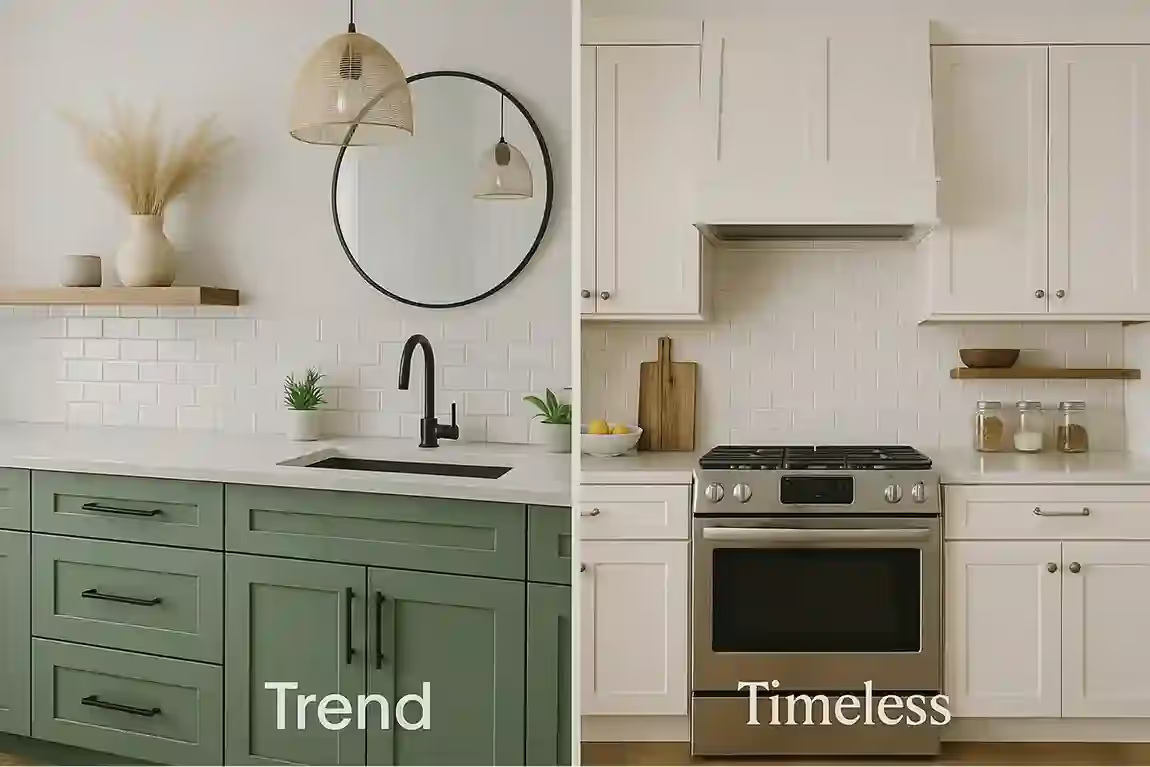
Begin any renovation project by establishing your timeless foundation before considering any trendy elements. Select flooring, cabinetry, countertops, and major fixtures in classic finishes that have demonstrated appeal across at least two decades. According to cabinet design experts, Shaker-style cabinets have remained the most popular choice for decades precisely because their simple, functional design adapts to virtually any aesthetic direction. White, off-white, and natural wood tones provide maximum flexibility for future style evolution while maintaining broad appeal.
Research unfamiliar trends before adopting them in any capacity. When you encounter an appealing design element you haven't seen before, investigate its origins and history. True classics have decades of proven appeal; recent trends have months. Search for the element in home tours from 2010 or earlier—if it doesn't appear, proceed with extreme caution and apply only to easily changed accessories rather than permanent infrastructure. This research discipline prevents the regret that comes from adopting trends that disappear faster than your renovation loan.
Create a trend budget within your overall renovation budget that limits exposure to potentially dated choices. Allocate specific dollars to trendy expression—perhaps 15-20% of total budget—and ensure those dollars flow to easily changed elements like paint, hardware, light fixtures, and accessories. When this budget is exhausted, additional choices must come from the timeless palette regardless of current enthusiasm. This structure provides permission for trend experimentation while preventing the expensive mistakes that come from unrestricted trend adoption in permanent elements.
Seek diverse opinions before committing to any major design choice, particularly from people with different aesthetic sensibilities than your own. If a choice appeals only to those who share your exact taste, it may be too specific to maintain broad appeal over time. Timeless elements tend to generate broad approval precisely because they're grounded in proportion and quality rather than specific stylistic preferences. A friend who loves modern minimalism and another who prefers traditional decor should both find your timeless choices acceptable even if neither finds them exciting—excitement comes from your layered accessories, not your infrastructure.
Document your reasoning for each major design decision during the renovation process. Write down why you chose specific elements, what alternatives you considered, and what factors drove your final selection. This documentation serves two purposes: it forces deliberate decision-making rather than impulsive choices, and it provides context when you later question those decisions. Understanding your original reasoning often validates choices that seemed questionable years later, or reveals whether circumstances have genuinely changed enough to justify expensive updates.
Build relationships with design professionals who understand the distinction between timeless and trendy. Interior designers, architects, and quality contractors can provide valuable perspective when you're caught in the grip of trend enthusiasm. A skilled professional will often counsel patience when clients push for the latest trend in permanent applications, suggesting alternatives that capture the desired feeling without the long-term risk. Their experience across many projects provides pattern recognition that individual homeowners lack—they've seen trends come and go and understand which choices clients later regret.
The most beautiful homes tell stories of evolution, not snapshots of a single moment frozen in time. Walk through any historic home that has maintained its appeal across generations and you'll find timeless bones dressed in accumulated layers that reflect decades of changing taste. The structure, proportions, and quality materials provide continuity; the furnishings and accessories reflect current living. This model—timeless foundation with evolving expression—provides the framework for homes that improve rather than deteriorate over time.
Timeless design isn't about avoiding trends entirely—it's about knowing which trends deserve permanent residence and which should remain visitors, welcomed for a season but not given keys to the foundation. The barn door can hang in your home office where removal takes an afternoon; the trendy tile pattern shouldn't cover your kitchen floor where replacement costs thousands. This discernment develops with practice and research, but the framework is simple: permanent elements earn timelessness through proportion, material authenticity, and functional excellence.
By investing in proportional harmony, material authenticity, and functional clarity for your major elements, you create a home that matures gracefully alongside your evolving taste. The trendy moments you incorporate become chapters rather than the entire book, allowing your space to feel current today and relevant tomorrow without costly reinvention every time design media declares a new direction. The goal isn't to eliminate all risk or suppress all personality, but to ensure your boldest choices are reversible and your permanent investments are unimpeachable. Five years from now, you'll thank yourself for the wisdom to distinguish between what delights for a season and what satisfies for a lifetime.
The path forward requires balancing immediate desires with long-term thinking—a skill that applies far beyond home design. Each renovation decision is an opportunity to practice discernment, weighing short-term excitement against lasting satisfaction. This discipline serves you not only in creating a beautiful home but in developing judgment that benefits every aspect of life. The home that results from this thoughtful approach becomes a daily reminder of values well-applied: quality over flash, function over appearance, lasting satisfaction over momentary excitement.
Remember that the most enduring homes aren't those that captured a perfect moment in design history—they're the ones that provided flexible foundations for generations of changing taste, accommodating each era's preferences without requiring complete reinvention. Your timeless choices today create the canvas upon which your future self, and perhaps future owners, will paint their own visions. That's not limitation—it's generosity extended across time, creating spaces that serve well regardless of which design trends happen to dominate any particular moment.
Neural novelty-seeking and social proof drive trend adoption, but these psychological mechanisms often lead to expensive design regret when trend cycles prove shorter than renovation lifespans. Understanding the neurological basis for trend attraction helps develop resistance to choices that feel compelling in the moment but generate regret within years.
Timeless design derives from proportional harmony, material authenticity, and functional clarity—elements that transcend stylistic movements and adapt to evolving personal taste. These fundamentals have guided beautiful buildings for millennia and remain relevant regardless of which specific aesthetic happens to dominate current design media.
The 80/20 investment rule directs 80% of budget toward permanent, expensive-to-change elements in neutral, classic finishes, reserving 20% for easily updated trendy expression. This framework acknowledges both the desire for personal expression and the financial reality that permanent trendy choices often require expensive correction.
Applying the 5-Year Test before committing to design choices—considering removal cost, trend origin, material authenticity, and saturation exposure—filters impulse from genuine long-term preference. This discipline prevents the regret that comes from decisions made in the emotional intensity of renovation stress.
Future-proofing through neutral infrastructure and layered, changeable accessories creates homes that evolve gracefully with your taste rather than requiring complete reinvention every decade. The most enduring homes combine timeless foundations with evolving expression, telling stories of lives lived rather than moments captured. This approach honors both the desire for personal expression and the practical reality that tastes change, budgets have limits, and the best homes are those that adapt rather than requiring replacement.
DECEMBER 01, 2025
DECEMBER 01, 2025
NOVEMBER 28, 2025
NOVEMBER 28, 2025
NOVEMBER 28, 2025